Water Damage Restoration Glendale, CA
Glendale water damage runs from a single leaking water heater to a flooded floor in a multi-unit building, and the restoration team extracts the water, dries the structure and documents each loss.
(888) 578-6508Call the Glendale water damage team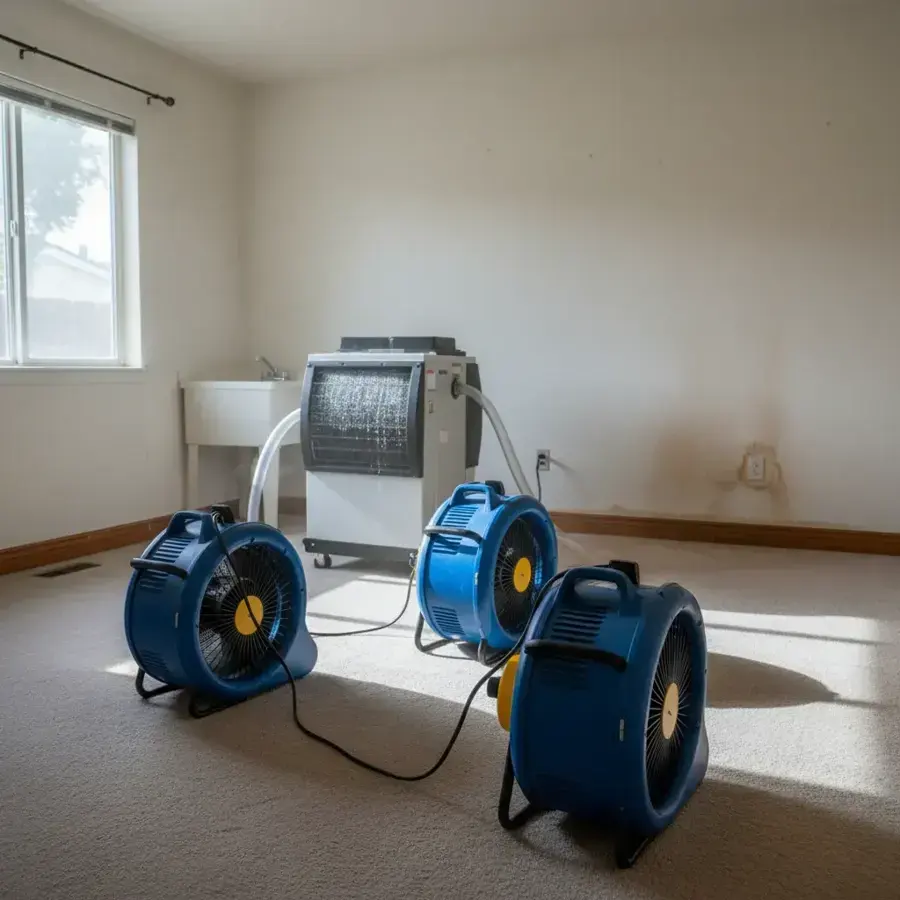
Water damage services for Glendale homes and businesses
From a leaking water heater to a flooded storefront, the Glendale restoration team covers every source of water damage, with drying matched to the building.
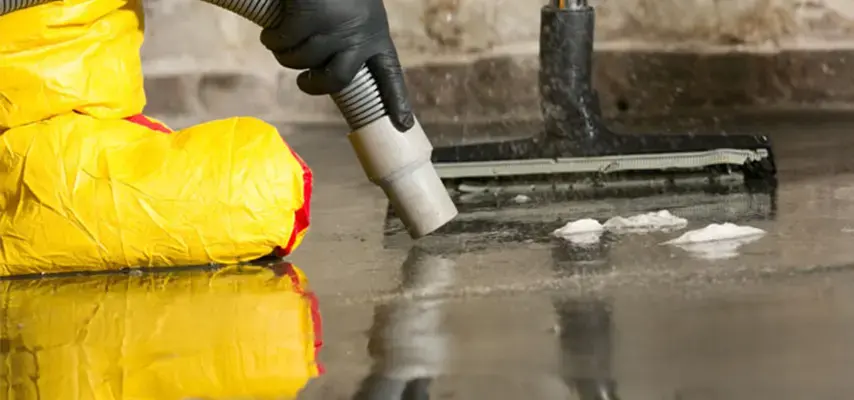 Water Extraction and RemovalPumps pull standing water and wet pad after a main break, heavy rain or a failed fixture.Explore this Glendale service
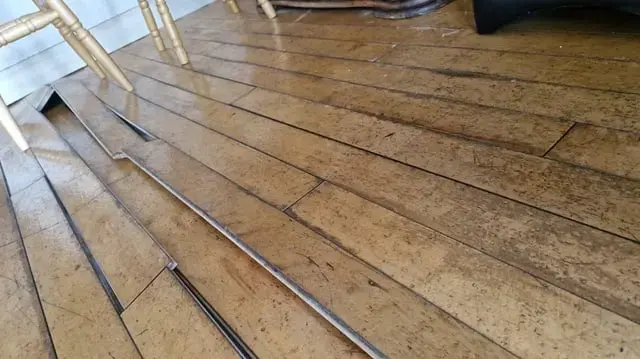 Slab Leak Water DamageHidden leaks under floors are traced first, then the concrete, subfloor and flooring above are dried.Explore this Glendale service
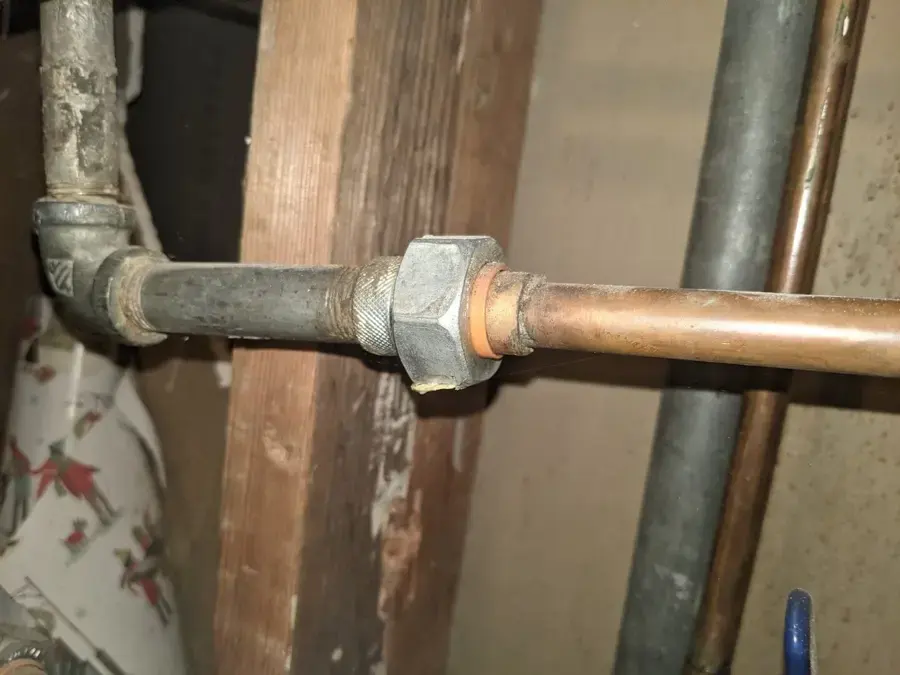 Burst Pipe Water DamageWater from a failed wall or ceiling pipe is extracted, opened and dried before damage spreads.Explore this Glendale service
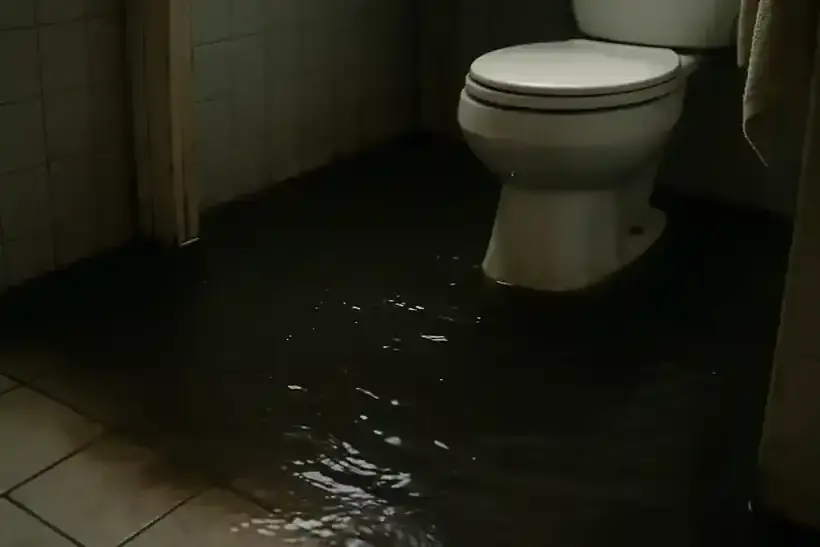 Sewage Backup CleanupSewage backups are handled as contaminated water: protective gear, porous materials removed, antimicrobial treatment, then drying.Explore this Glendale service
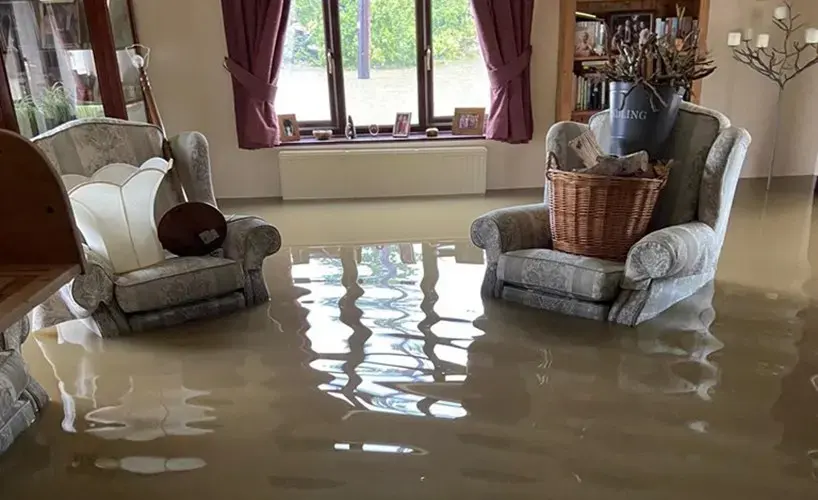 Storm Runoff and Flood CleanupMud, silt and runoff are cleared from garages and ground floors, then the structure is dried.Explore this Glendale service
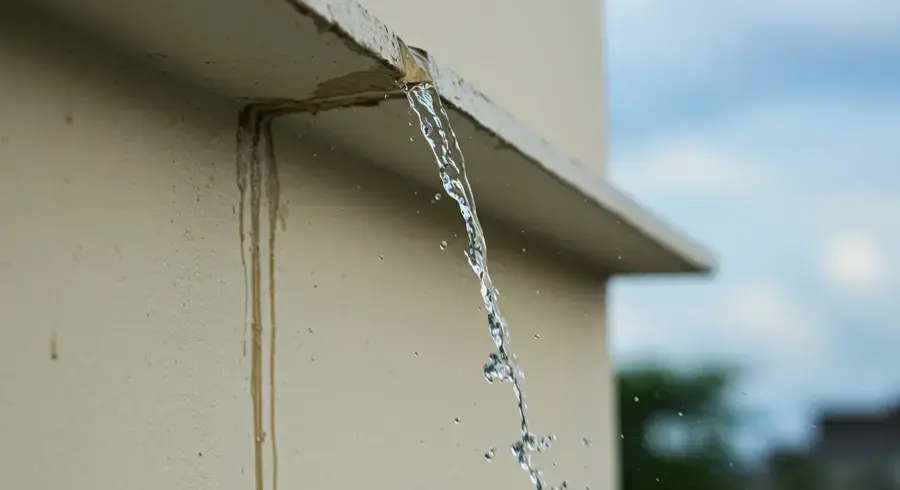 Roof Leak Water DamageAttic insulation, joists and ceilings below a roof leak are metered, opened where wet and dried.Explore this Glendale service
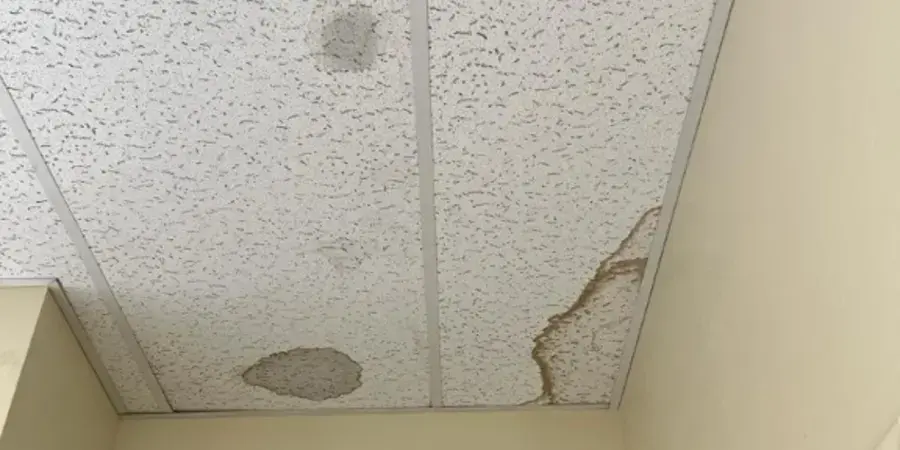
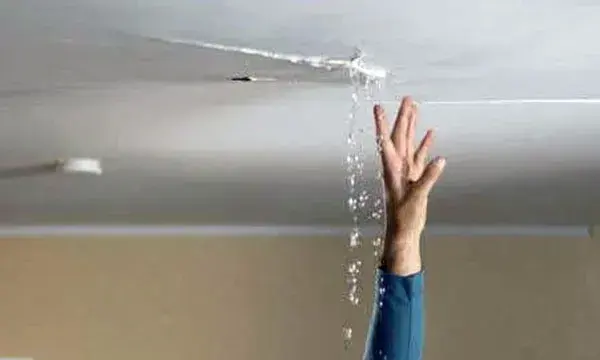 Ceiling Leak Water DamageA stained or sagging ceiling is traced to its source, drained safely, opened as needed and dried.Explore this Glendale service
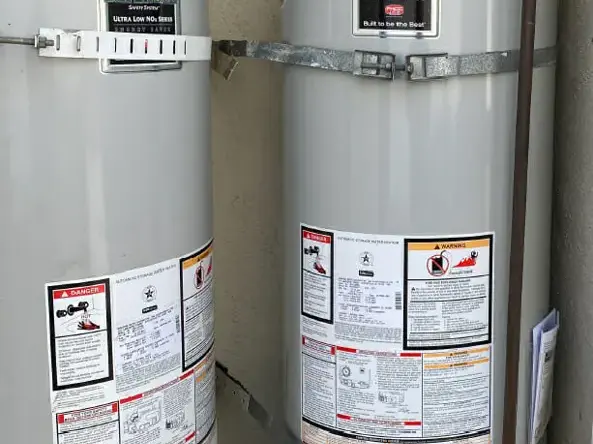 Water Heater Leak CleanupA failed tank can soak a garage, closet or hallway, so floors and wall bottoms are dried.Explore this Glendale service
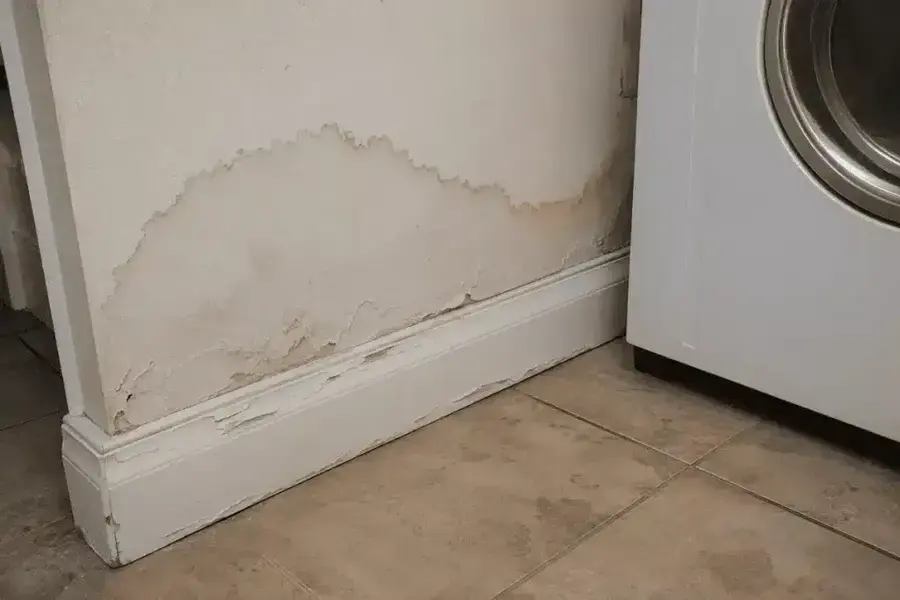 Appliance and Supply Hose LeaksWasher, dishwasher and refrigerator hose leaks are dried from the floor up, toe kicks and cabinets included.Explore this Glendale service
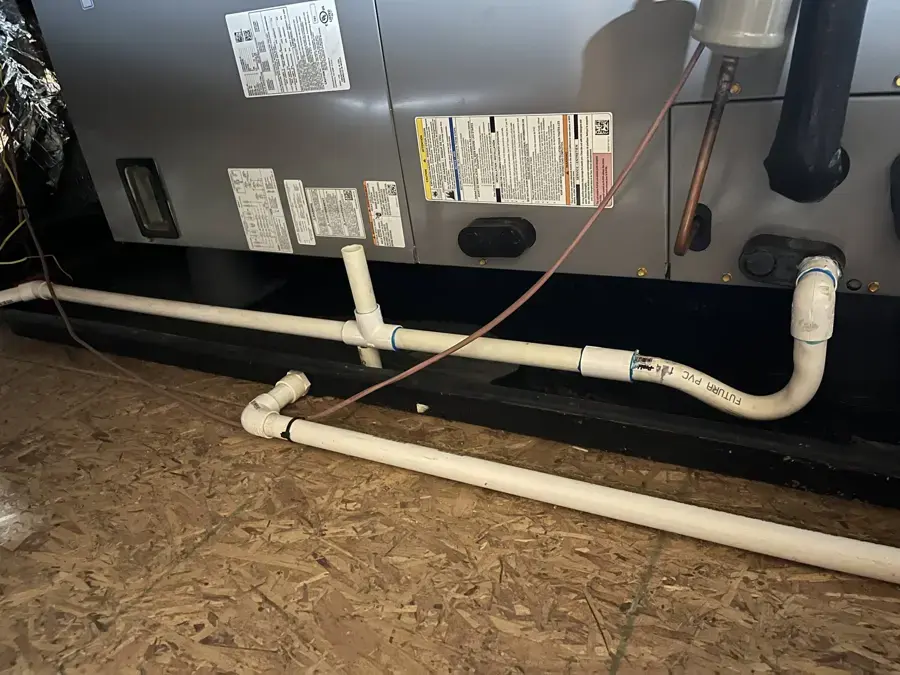 AC Condensate Overflow CleanupA clogged condensate drain can overflow into ceilings and walls, so the attic and ceiling below are metered.Explore this Glendale service
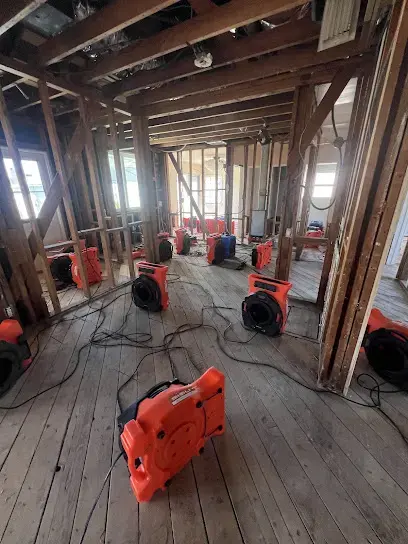
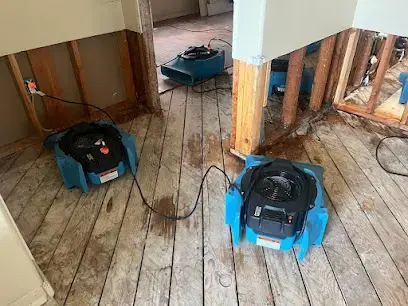
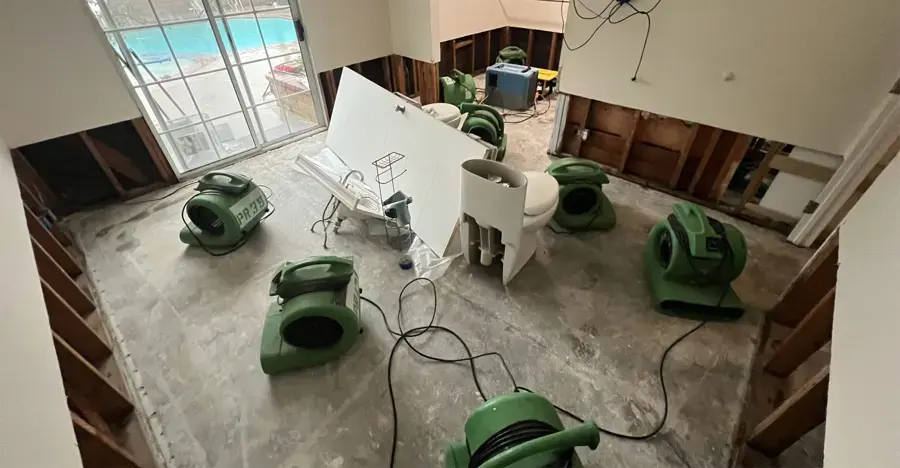 Structural Drying and DehumidificationAir movers and dehumidifiers dry framing, subfloors and wall cavities, with readings logged to the target.Explore this Glendale service
 Commercial Water DamageShops, offices, clinics and multi-unit buildings get phased drying so the rest of the property keeps operating.Explore this Glendale service
A restoration plan that fits Glendale's older homes and apartments
Rapid local response
One call reaches the Glendale response team, which sends the extraction crew, the drying team or both, depending on whether the water is standing, hidden or contaminated.
Drying matched to the building
Older homes, 1980s condominiums and newer downtown apartments dry differently, so equipment and containment are chosen by construction instead of one setup used on every job.
Claim-ready documentation
Moisture maps, daily readings, dated photos and a list of every material removed are kept for each job, so the adjuster can see what was wet and why it came out.
Local water know-how
The drying team plans around Glendale's rainy season, the Verdugo Wash, shared walls in multi-unit buildings and the neighbors on the other side of the wall.
Drying equipment on every Glendale job
- Truck-mounted extraction Strong vacuum units lift standing water from carpet, pad and hard flooring, even on upper floors.
- LGR dehumidifiers Low-grain units pull moisture from the air so wet framing and drywall keep drying.
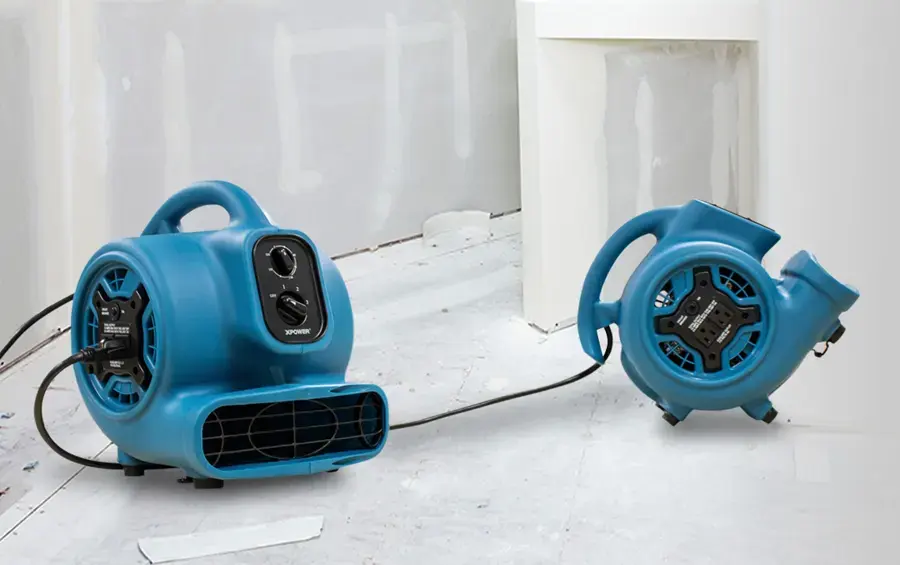
- Air movers Low-profile fans push dry air across floors and wall bottoms.
- Thermal cameras and moisture meters Readings find wet drywall and subfloor hidden behind finished surfaces before anything is opened.
Local water damage crews for every Glendale property
Glendale has 75,907 housing units, and 51,083 of them predate 1980, so original supply pipes, aging ceilings and shared walls are part of daily life in many buildings. When water escapes in one unit, it often travels into the next, which is why extraction and drying start at the source and follow the moisture outward.
The restoration team extracts the water, measures every wet surface and handles the structural drying with equipment sized to the building, then hands the adjuster a complete record.
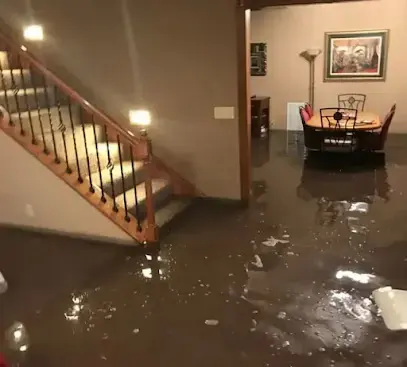
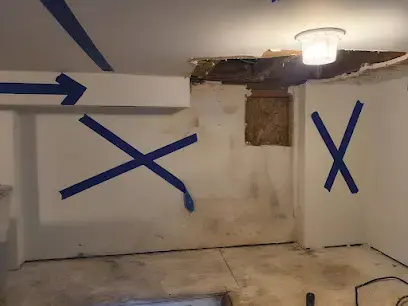
Meet the team handling Glendale water damage callsWhat a water damage job looks like in progress
What water damage restoration costs in Glendale, CA
Cost in Glendale follows three things: how much area got wet, whether the water was clean, gray or black, and how much flooring or drywall has to come out. A walkthrough with meter readings turns a range into a firm number for one property.
One room, clean water
- Pump-out and pad check
- Air movers on the wet floor
- Moisture readings at each visit
Several rooms or gray water
- Wet pad and baseboards removed
- Wall cavities dried in place
- LGR dehumidifier capacity
Whole floor or black water
- Contaminated materials removed
- Containment and air scrubbers
- Antimicrobial treatment first
Ranges cover cleanup and drying for typical Glendale homes and leave out rebuild work such as new drywall, flooring and paint, which is priced once the structure is dry.
Clean, gray or black water changes the whole job
Clean water
Water from a broken supply pipe or a failed tank starts clean and can usually be dried in place when it is caught early.
Burst pipe water damageGray water
Washer, dishwasher and some drain overflows carry soap, food and bacteria, so porous materials like carpet pad often come out.
Appliance and hose leaksBlack water
Sewage, rising storm water and long-standing leaks carry pathogens, so porous materials go, the area is contained and surfaces are treated before drying.
Sewage backup cleanupEvery Glendale job follows the IICRC S500 drying standard
The standard sets how water is classified, how drying targets are chosen and how progress is measured, so every reading is logged and every machine is placed on purpose.
Insurance claims and documentation
Policies commonly respond to sudden water damage, such as a burst pipe or a failed water heater, and often exclude slow seepage or leaks that went unrepaired for a long time.
The restoration team photographs the loss, keeps moisture maps and daily readings, lists every material removed and shares the paperwork with the adjuster, so the claim rests on measurements instead of guesses and nothing has to be reconstructed later.
What to do first when water hits a Glendale property
- Stop the source. Close the shutoff valve at the fixture or the main, and stay out from under any sagging or dripping ceiling.
- Keep it safe. Turn off power to the wet area only if the panel is dry and safe to reach, and stay out of standing water near outlets.
- Take photos. Photograph the water, the source and damaged items before anything moves, since adjusters lean on first pictures.
- Call before cleanup. Describe what happened and what is wet, so the crew can tell what can dry in place and what must come out.
Areas covered across Glendale, CA
Water damage crews cover Glendale from Downtown Glendale to the canyon neighborhoods, and the same process applies in every ZIP code.
Glendale ZIP codes served
Glendale's standard ZIP codes run from 91201 through 91208, so jobs in the other four, 91205, 91206, 91207 and 91208, follow the same process as the first four.
See every area near GlendaleNeighborhoods
Canyon neighborhoods
Shopping districts
Main corridors
Civic landmarks
Bordering communities
Cities near Glendale covered
One call starts the Glendale water damage job, from walkthrough to final reading
The same crew that extracts the water also maps the moisture, sets the drying equipment and keeps the records, so nobody coordinates separate trades while the structure is wet.
What raises water damage risk in Glendale
Older buildings, shared walls, storm channels and winter rain all shape how water damage shows up in Glendale homes.
- Older housing: The median Glendale home was built in 1967, and 51,083 housing units predate 1980, so original supply pipes and aging fixtures are a real possibility.
- Shared buildings: Buildings of five or more units hold 41,529 of Glendale's 75,907 housing units, so one leak or backup can reach several households at once.
- Storm channels: The Verdugo Wash handles flash floods and debris flows on the way to the Los Angeles River, yet the city's Safety Element still warns that extreme rain may overwhelm stormwater drainage.
- Wet winters: Rain falls mostly between November and April, and the atmospheric rivers of late December 2025 damaged city facilities, roads, sidewalks and a debris basin.
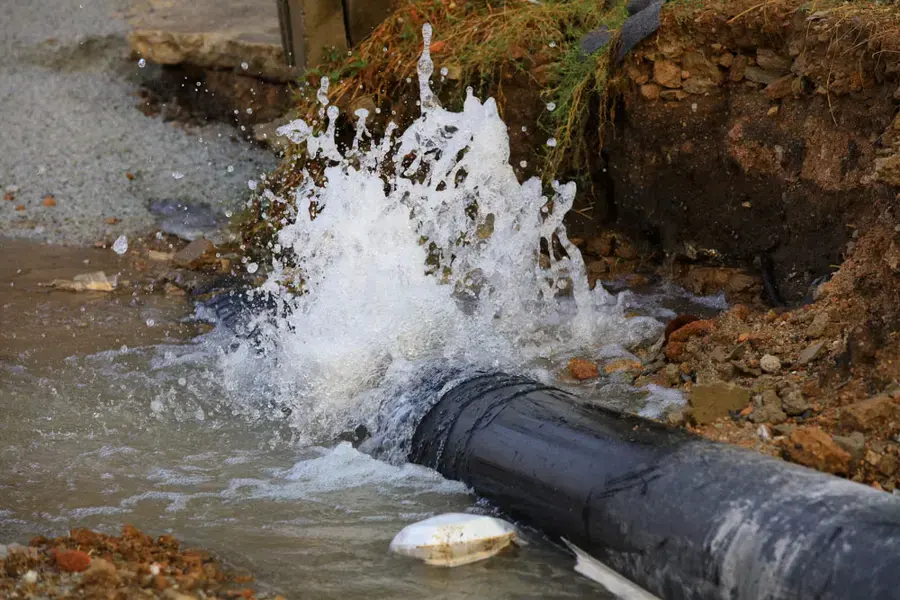
- Water main breaks: A main broke on Maple Street east of Central Avenue in late December 2025, a reminder that a failure outside a building can end up inside it.
Glendale water damage questions
Dealing with water damage in Glendale?
Describe what happened and what is wet, and the response team explains the next step.
(888) 578-6508 Talk to the Glendale response teamHow much does water damage restoration cost in Glendale?
Small clean-water jobs run $450 to $2,000, and large or contaminated losses can reach $6,500 to $15,000+. Meter readings, the water category and the materials that must come out set the final number for each property.
Does insurance cover water damage in Glendale?
Coverage depends on the policy and the cause. Sudden events such as a burst pipe or a failed water heater are commonly covered, while slow seepage often is not, so the adjuster makes the call. Photos and daily readings support the claim.
How can I tell clean, gray and black water apart?
Clean water comes from supply pipes and tanks, gray water from appliances and some drains, and black water from sewage or flooding. When the source is unclear, the crew treats the water as contaminated until the source is confirmed.
What should I do if water comes through a ceiling?
Stay out from under it, shut off the water source if it is known, and call. A ceiling holding water can drop without warning, so the crew drains it in a controlled way before opening it.
Can one apartment's leak damage the units around it?
Yes. Buildings of five or more units hold 41,529 of Glendale's housing units, and water follows walls, ceilings and floors from one unit to the next, so adjoining spaces are checked for moisture.
How does the crew know a structure is dry?
Readings on each wet material are compared with readings from an unaffected spot in the same building, and equipment stays until the wet materials reach that level. Moisture left behind can feed mold in 24 to 48 hours.
Can heavy winter rain cause water damage in Glendale?
Yes. Rain falls mostly between November and April, and the city's Safety Element says extreme rain may overwhelm the stormwater drainage system, so water can reach garages, entries and ground floors, and storm runoff and flood cleanup work begins with the mud.
What happens after a sewage backup?
Everyone stays out of the area while the crew sets up protective gear and containment. Porous materials are removed, surfaces are treated with antimicrobial products, and drying begins after that, following the sewage backup cleanup process.
Do businesses get the same service as homes?
Yes, with changes. Commercial water damage work gives shops, offices and clinics phased drying and containment around open areas, with records kept by area so the rest of the property can keep working.
Who handles a water main break outside the property?
Glendale Water and Power crews repair public mains, as on Maple Street in late December 2025. Once water gets inside, extraction, drying and cleanup are the restoration team's work.
A Glendale water emergency starts with one call
The response team takes the details, explains what happens next and sends the right crew for extraction, drying or sewage cleanup.
(888) 578-6508Reach the Glendale dispatch team