Water Damage Restoration Santa Clarita, CA
Whether a supply hose fails in Newhall or runoff reaches a Canyon Country garage, the restoration team extracts the water, dries the structure and documents every step.
(888) 578-6508Talk to the Santa Clarita drying team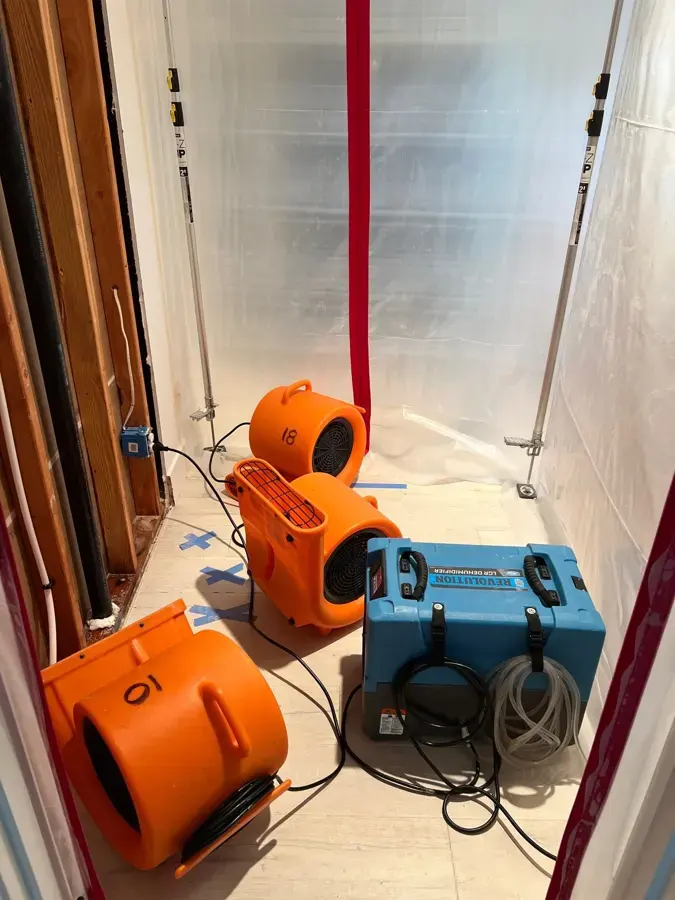
Twelve water damage services across Santa Clarita
Each job starts with extraction and moisture mapping, then follows the drying and cleanup steps that fit the source, from supply hoses to storm runoff in Santa Clarita.
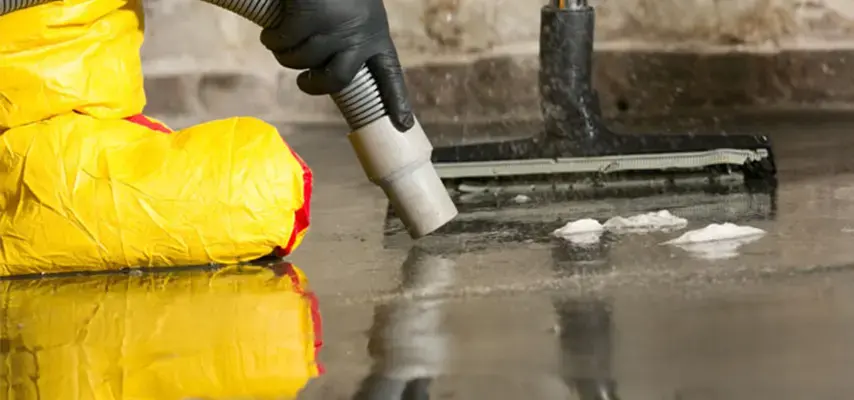 Water Extraction and RemovalStanding water and soaked pad come out first, using truck-mounted or portable extractors.See how it works in Santa Clarita
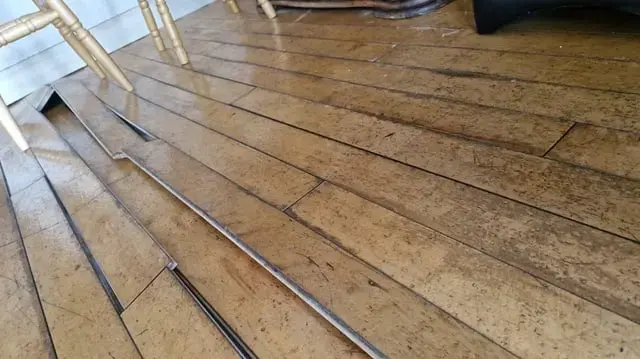 Slab Leak Water DamageLeaks under the floor are traced, wet flooring is lifted, and concrete is dried to target readings.See how it works in Santa Clarita
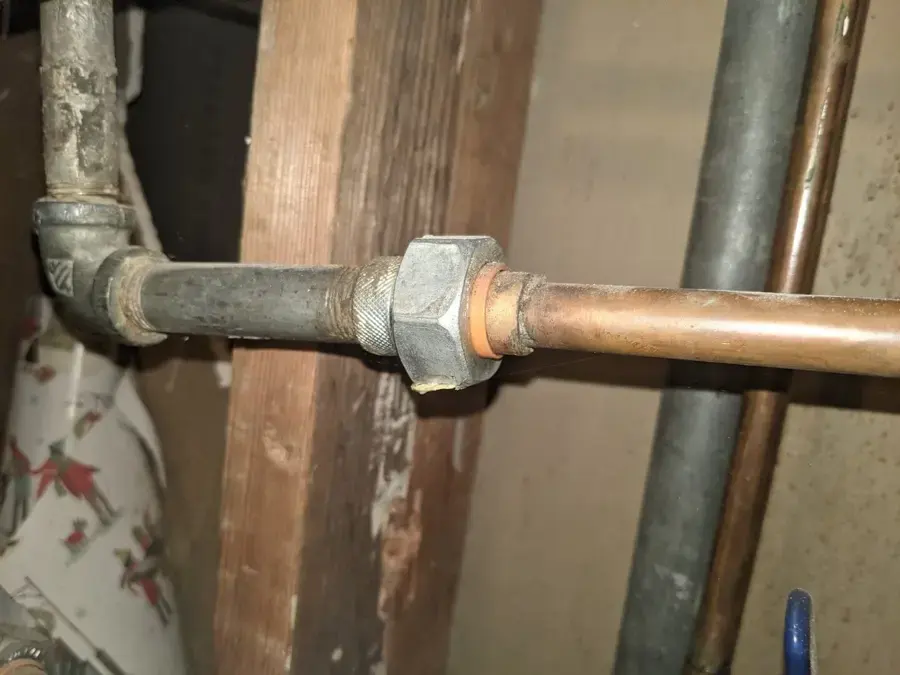 Burst Pipe Water DamageA split supply pipe means extraction, opened cavities and dehumidifiers until the framing reads dry.See how it works in Santa Clarita
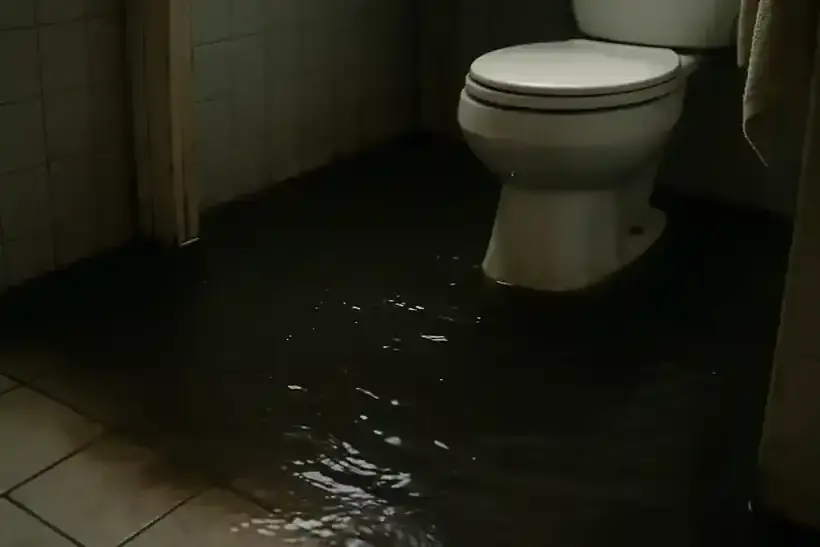 Sewage Backup CleanupSewage is removed in protective gear, porous materials are discarded, and surfaces are treated before drying.See how it works in Santa Clarita
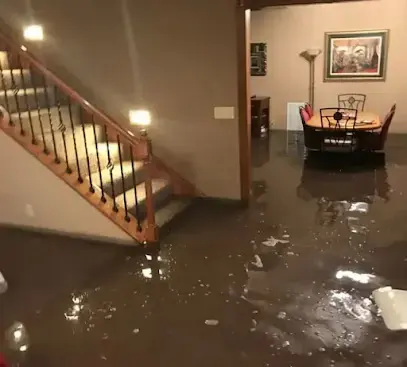
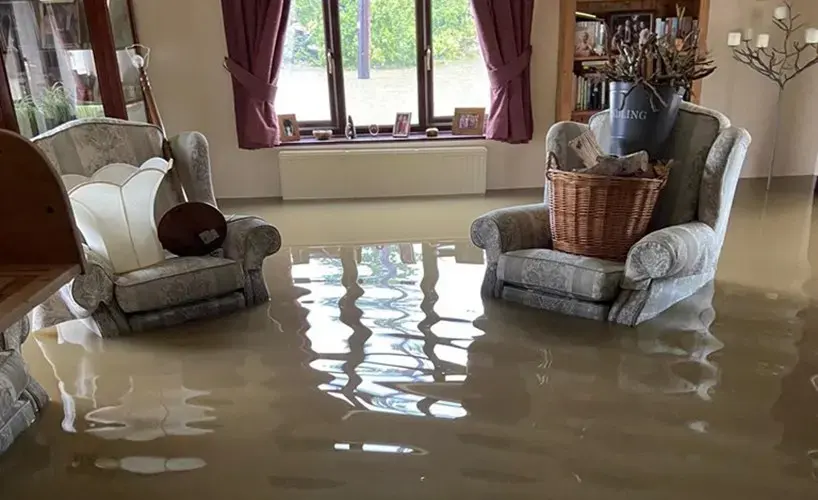 Storm Runoff and Flood CleanupMud, silt and runoff are pulled from garages and entries, then affected rooms are dried and disinfected.See how it works in Santa Clarita
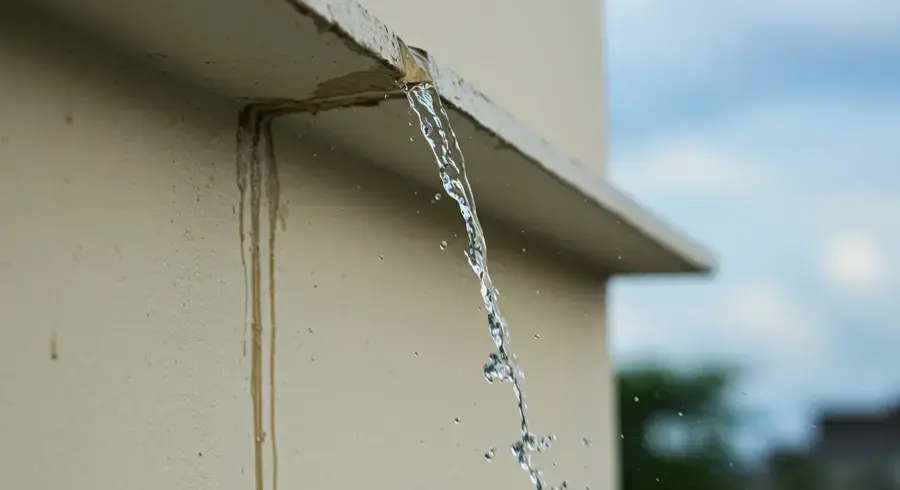 Roof Leak Water DamageWet attic insulation and stained ceilings are dried or opened once the roof stops leaking.See how it works in Santa Clarita
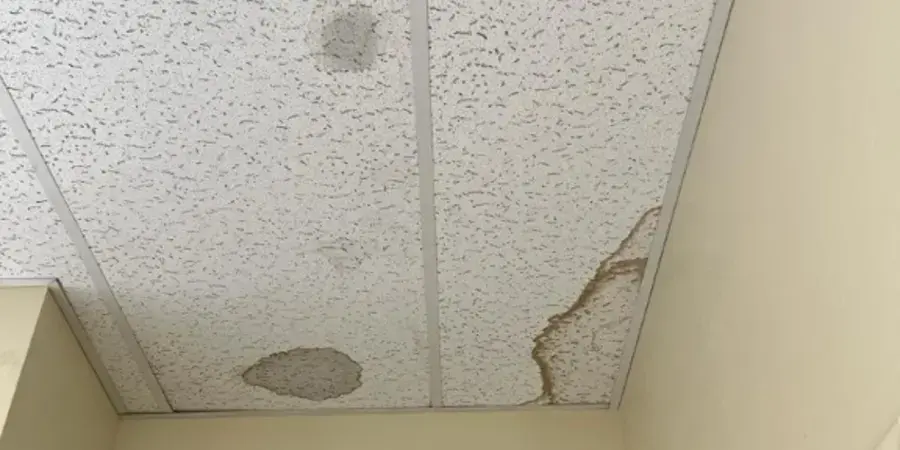
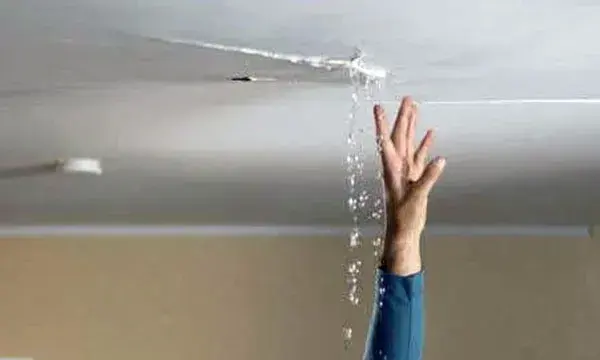 Ceiling Leak Water DamageSagging drywall is drained and cut out, wet insulation is removed, and the joist bays are dried.See how it works in Santa Clarita
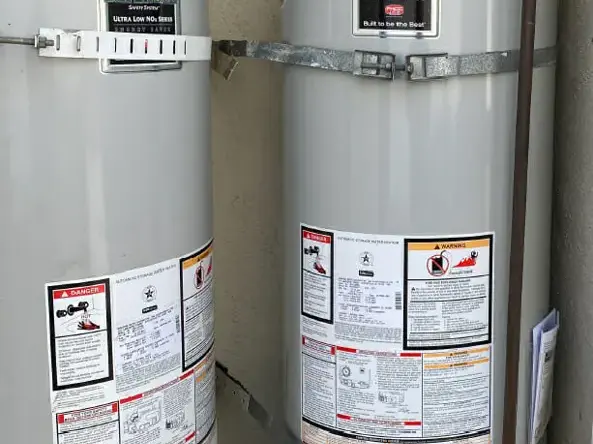 Water Heater Leak CleanupTank leaks flood garages and closets quickly, so extraction, wall checks and cabinet drying happen together.See how it works in Santa Clarita
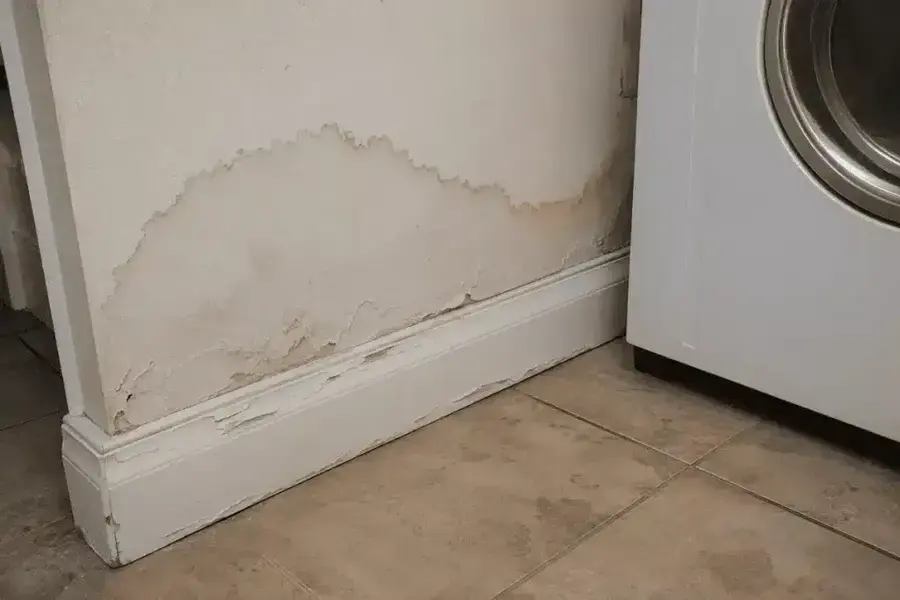 Appliance and Supply Hose LeaksFailed washer hoses, dishwasher supplies and ice maker tubes soak floors, toe kicks and wall bottoms.See how it works in Santa Clarita
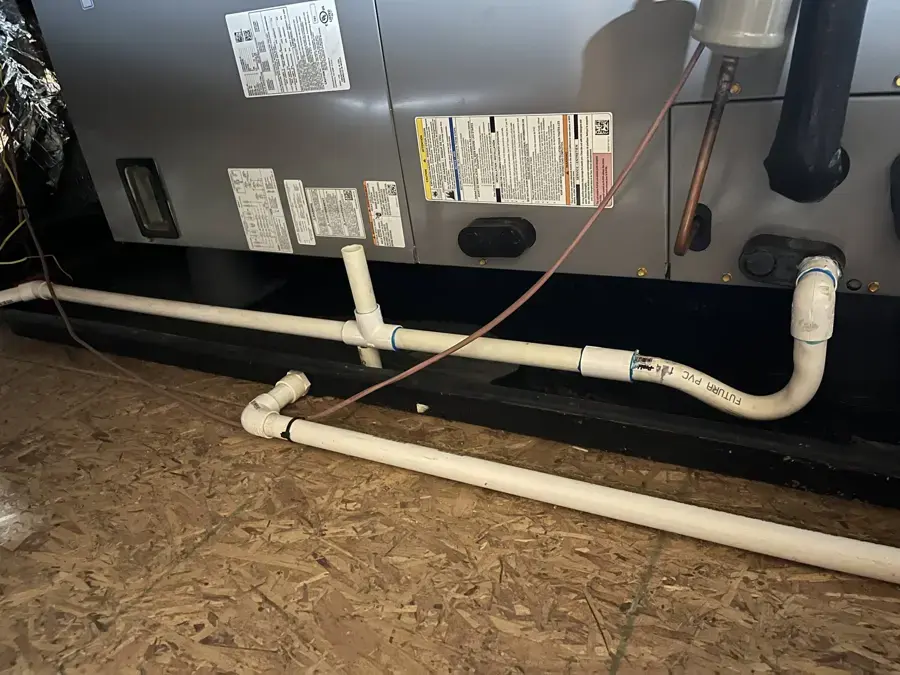 AC Condensate Overflow CleanupA clogged condensate drain sends water through attic insulation and into the ceiling below.See how it works in Santa Clarita
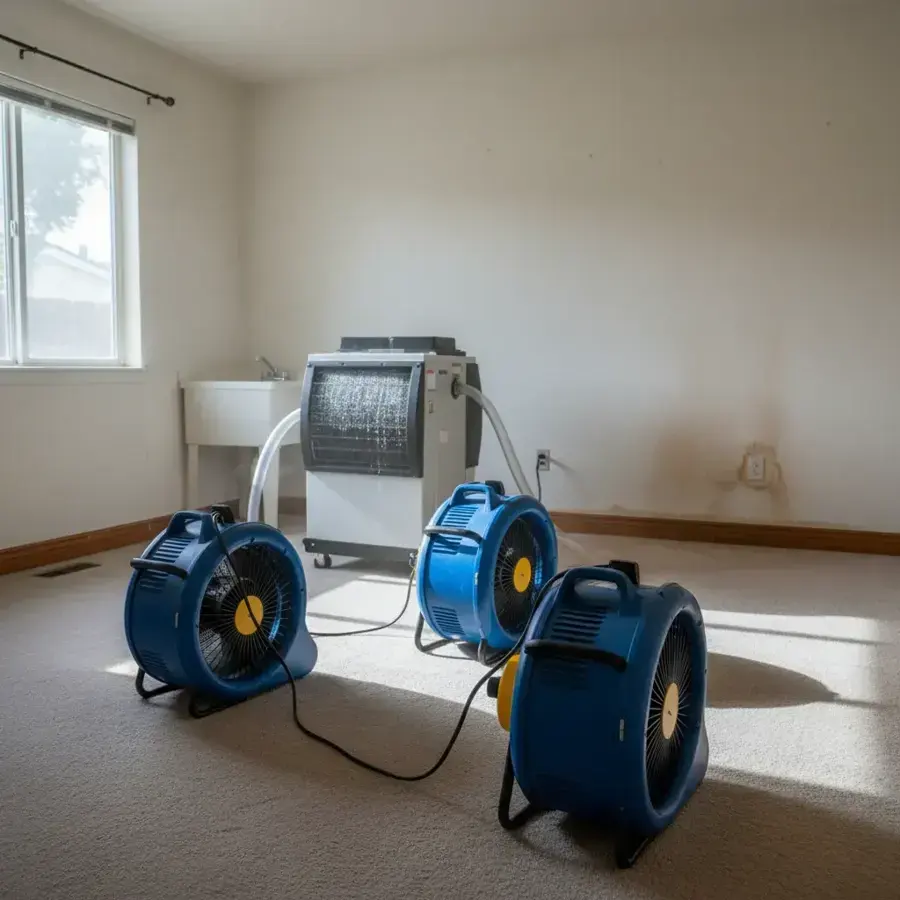
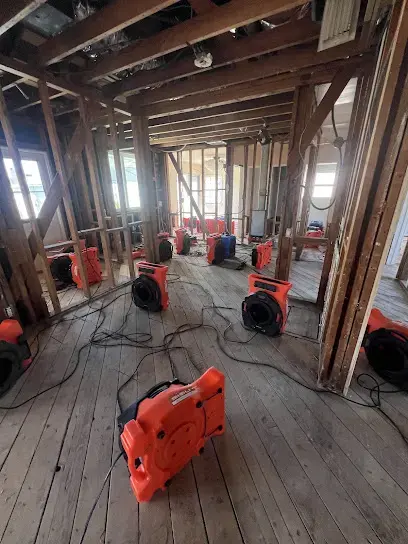
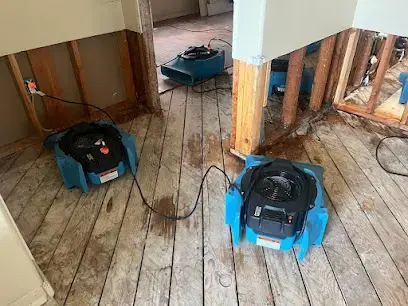
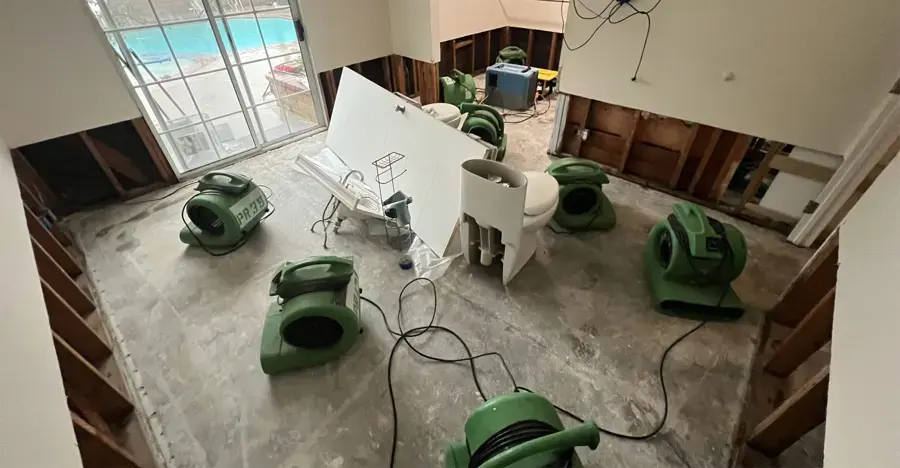 Structural Drying and DehumidificationAir movers, LGR dehumidifiers and daily moisture readings bring wet framing, subfloors and walls back to normal.See how it works in Santa Clarita
 Commercial Water DamageOffices, shops and industrial suites are dried in phases so the rest of the building keeps operating.See how it works in Santa Clarita
A drying team that knows how Santa Clarita buildings get wet
Rapid local response
The team covers Valencia, Newhall, Saugus and Canyon Country, and extraction begins as early as possible so water has less time to wick into the walls.
Right method per source
Clean supply leaks, gray appliance water and black sewage each need a different process, and the mitigation team sets the plan after the first moisture readings.
Claim-ready documentation
Photos, moisture maps and daily readings are logged from the first visit, giving an adjuster the scope, the dates and the affected materials of each room in plain language.
Local water know-how
Rain from December through March, canyon runoff and the valley's hot summers all shape how water damage shows up in Santa Clarita, and the crew plans around each.
Gear the drying team brings to every job
- Truck-mounted extraction Powerful vacuum units pull gallons from carpet, pad and hard floors faster than portable equipment.
- LGR dehumidifiers These units pull moisture from the air so wet framing keeps releasing its own.
- Air movers Low, steady airflow across floors and wall bottoms moves moisture off surfaces and toward the dehumidifiers.
- Moisture meters and cameras Pin meters and a thermal camera show where water is hiding behind finished surfaces.
Restoration across four Santa Clarita communities
Santa Clarita sits in the Santa Clarita Valley along the Santa Clara River, and its four communities are Valencia, Newhall, Saugus and Canyon Country. Newhall is the oldest area, Valencia is master planned, and each part of town sees water damage differently, from split hoses to canyon runoff.
The restoration team handles each loss start to finish, from water extraction through structural drying, with every reading and photo written down for the owner and the insurer. Technicians return daily until the readings match dry reference materials.
Learn more about the Santa Clarita restoration teamWhat a water damage job looks like from first reading to dry
What water damage restoration costs in Santa Clarita
Most Santa Clarita water damage jobs fall between $450 and $15,000 or more, depending on how much floor and wall is wet, how long the water sat, and whether it was clean, gray or black water, plus the drying it needs.
Small clean-water leak
- Extraction and moisture check
- Baseboards pulled and dried
- Air movers set and logged
Several rooms or saturated carpet pad
- Pad and carpet decisions
- Wall cavity drying in place
- Dehumidifiers and containment
Whole floor or black water
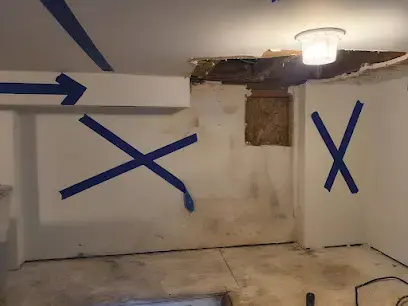
- Flooring and drywall removed
- PPE, containment and scrubbers
- Antimicrobial before drying
Final numbers come from the walkthrough, where readings, affected materials and the water category set the scope. Insurance coverage, when it applies, changes who pays, not what the job needs.
Three kinds of water, three different cleanup plans
Clean water
Broken supply pipes and failed hoses release clean water, but the category slips toward gray within a day or two if wet materials stay wet.
Burst pipe water damageGray water
Washing machine and dishwasher overflows carry soap and light contamination, so porous materials need a closer look before the drying team decides what stays.
Appliance and hose leak cleanupBlack water
Sewage and rising storm runoff carry bacteria. The extraction crew works in protective gear, removes porous materials and treats surfaces before any drying starts.
Sewage backup cleanupDrying ends when the readings say it ends
The mitigation team follows IICRC S500 practice: containment where needed, equipment matched to each room, and daily readings until wet materials match dry reference points from the same house.
Working with your insurance carrier
Policies differ, and sudden pipe or hose failures are often treated differently from slow leaks or flood water. The crew records the source and timeline so the adjuster has facts to work from.
Photos, moisture maps, equipment logs and a written scope go to the property owner at each stage. Flood damage from storm runoff usually falls under separate flood coverage, such as the National Flood Insurance Program, so that is worth asking about early.
What to do right after water shows up in your home
- Stop the source. Close the fixture valve or the main shutoff, and turn off the water heater if the leak is at the tank.
- Keep it safe. Stay out of rooms with ceiling sag or standing water near outlets, switch off affected breakers, and keep children and pets away from sewage.
- Take photos. Photograph the source, the wet areas and damaged belongings before anything moves, because adjusters rely on the first images.
- Start the drying process Lift small items off wet floors, open cabinet doors for airflow, and leave extraction to the restoration team.
Santa Clarita neighborhoods and corridors covered
Four communities, canyon neighborhoods and the main shopping and industrial areas all fall inside the same service area.
Santa Clarita ZIP codes
Each ZIP code here covers neighborhoods across Santa Clarita, and addresses in all four communities are handled the same way, from first extraction to the final moisture reading.
See the full service areaFour communities
Canyon and ranch areas
Newer neighborhoods
Main corridors
Civic landmarks
Nearby cities covered
One call starts extraction, drying and paperwork for Santa Clarita properties
Homeowners, landlords and managers get one point of contact for the whole job, so the plumber, the adjuster and the drying team all work from the same readings.
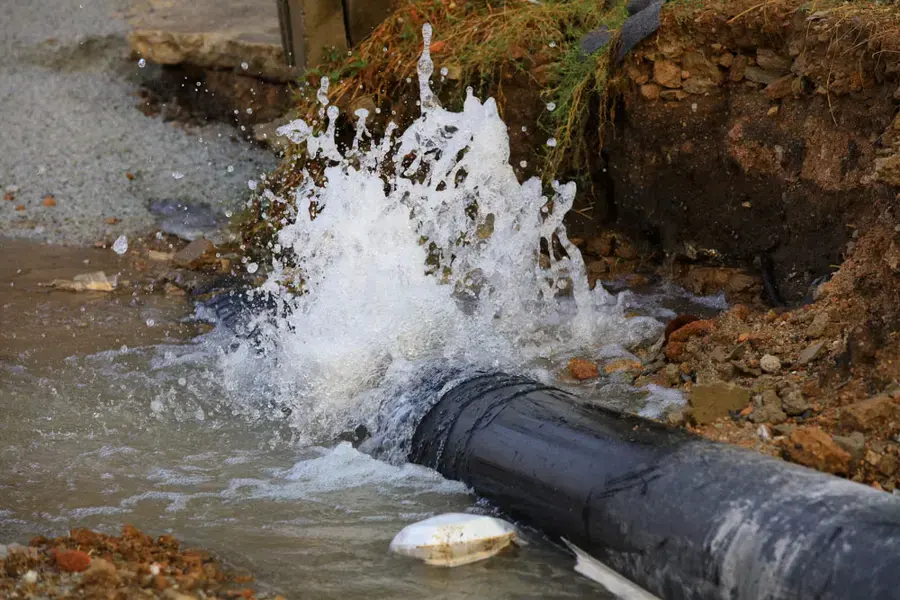
Why water damage happens in Santa Clarita
These factors come from city housing data, SCV Water's report and the city's hazard plan, still a public draft.
- Newer housing: The median Santa Clarita home dates to 1987, about 26 percent of units were built in the 1980s, and about 31 percent date from before 1980.
- Mineral scaling: SCV Water's 2025 consumer confidence report says calcium and magnesium make up water hardness, which can cause scaling, so valves and fittings get a close look after a leak.
- Sewer spills: The Santa Clarita Valley Sanitation District runs the Valencia and Saugus Water Reclamation Plants, and the city lists a 24-hour contact for public sewer spills.
- Winter storms: Rain falls mainly from December through March, and the city's hazard plan lists ponding on arterials in January 2023 and creek flooding from the remnants of Hurricane Hilary in August 2023.
- Canyon runoff: Burn scars from the Sand Fire, Rye Fire and Tick Fire raised flash flood and debris flow risk in Canyon Country, Sand Canyon and Placerita Canyon, the city's hazard plan says.
Santa Clarita water damage questions
Still seeing water in your Santa Clarita home?
Talk with the restoration team about extraction, drying and what to protect while the water is still moving.
(888) 578-6508 Call the Santa Clarita drying teamHow quickly does wet material need to be dried?
Wet drywall, pad and framing start to break down in the first day or two, and mold can follow, so extraction and drying should begin as soon as the source is stopped. Delay mostly raises the tear out.
Does homeowners insurance pay for water damage cleanup?
Coverage depends on the policy and the cause. Sudden failures like a split hose are often handled differently from slow leaks or flood water, so the team records the source, photos and readings for the adjuster.
Can storm runoff cause water damage in Santa Clarita?
Yes. The city's hazard plan lists creek flooding, debris flows and street flooding on roads such as Bouquet Canyon Road and Sierra Highway, and runoff that reaches an entry or garage leaves mud and silt behind.
Should a plumber or the restoration team come first?
Both matter. Stop the water at the valve, then bring in the restoration team for extraction and drying while a plumber repairs the failed part. Repairs do not remove the water already in the structure.
What happens to carpet and drywall after a sewage backup?
Porous materials that touched sewage, such as carpet, pad and low drywall, are usually removed rather than cleaned, since bacteria soak in. The extraction crew works in protective gear and treats hard surfaces before drying begins.
How does the drying team know a structure is dry?
Moisture meters and thermal imaging check walls, floors and ceilings each day, and drying ends when wet materials read the same as dry reference points from an unaffected part of the home, and each day's log goes to the owner.
Is a roof leak in winter really water damage?
Yes. Rain comes mainly from December through March, and water from a roof leak soaks attic insulation and ceilings. The drying team handles the wet interior while a roofer fixes the opening.
Do condos and apartments in Santa Clarita need different handling?
About 25 percent of the city's housing units are in buildings with two or more units, so water often crosses into a neighbor's ceiling or wall. The team documents each unit and coordinates with the property manager.
Which parts of Santa Clarita does the team cover?
The team works across Valencia, Newhall, Saugus and Canyon Country, plus canyon neighborhoods such as Placerita Canyon and Sand Canyon and newer communities like West Creek and Vista Canyon, each with the same process.
What does the first walkthrough include?
A technician traces the source, maps moisture with meters and a thermal camera, photographs the damage and explains the scope before any equipment goes in. Owners also get a written list of affected materials and the equipment placed in each room.
Stop Santa Clarita water damage before it spreads
Tell the team where the water started and what is wet, and the restoration crew will lay out the extraction and drying plan.
(888) 578-6508Reach the Santa Clarita restoration crew