Slab Leak Water Damage in Santa Clarita, CA
A pressurized leak under a concrete floor soaks flooring from below. The drying team finds how far the water traveled, lifts what cannot dry and dries the concrete itself.
(888) 578-6508Ask about a Santa Clarita floor leak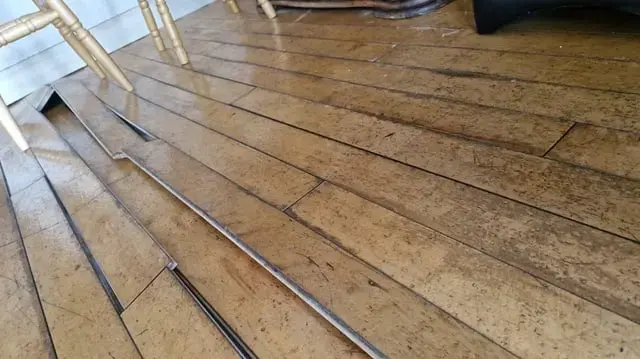
First steps for slab leak water damage in Santa Clarita
- Watch the meter
Turn off every fixture and appliance, then check whether the water meter dial still moves, which points to a hidden leak.
- Shut the main
If the meter keeps running, close the main shutoff and leave the water off until a plumber has traced the leak.
- Protect the flooring
Lift rugs and furniture off wet floors and open cabinet doors so air reaches the damp surfaces.
- Call for drying
Get moisture mapping started early, because water under flooring keeps spreading sideways.
How slab leak water damage is handled in Santa Clarita
A slab leak is a pressurized pipe leaking in or beneath a concrete floor, and the first signs are often warm spots, a moving water meter or flooring that cups. The drying team handles the water damage, starting with water extraction, while a plumber handles the pipe.
Rapid local response
The response team dispatches 24/7, and active water in Santa Clarita is treated as urgent at any hour, weekends and holidays included.
IICRC S500 drying standard
The drying team maps moisture before equipment goes down and dries the structure, not just the surface, to the IICRC S500 goal.
Claim-ready documentation
The tech who does the walkthrough logs timestamped photos, a moisture map and daily psychrometric readings for the adjuster.
Local water know-how
Local restoration pros plan around hidden leaks under floors, root-blocked sewer laterals, attic AC drains and winter storm runoff.
What does slab leak water damage cost in Santa Clarita, CA?
Small leaks caught early usually fall near $1,500, while several rooms of flooring or a radiant slab can run to $14,000 or more. Flooring type and how long water sat decide where a job lands.
Small leak caught early
- Flooring lifted over the leak
- Concrete and baseboards dried
- Daily readings logged
Several rooms of flooring
- Carpet or laminate removed
- Wall bottoms opened and dried
- Dehumidifiers under tenting
Large or radiant leak
- Slab mapped room by room
- Desiccant drying for concrete
- Hardwood dried or removed
These are typical Santa Clarita ranges, not a quote. Water category, wet square footage, material class and the hours before drying began move the final number. The water damage cost calculator narrows it for your loss.
The slab leak water damage process, step by step
- 1
Scan before cutting
Meters and a thermal camera map the wet area first, so flooring is lifted only where moisture actually spreads.
- 2
Lift and clear the floor
Wet carpet, laminate or hardwood comes up over and around the leak, and baseboards are pulled to expose wall bottoms.
- 3
Tent and dehumidify
Plastic tenting focuses the drying air while LGR units, and desiccant units where needed, pull moisture from concrete.
- 4
Read until dry
The drying crew checks the same points daily and removes equipment only after concrete, wall bottoms and trim reach dry standard.
How a leak under the floor gets confirmed
- A water meter that keeps moving with every fixture off points to a hidden leak
- Warm patches on the floor can mean a leaking hot water pipe
- Cupped hardwood, lifting laminate or damp baseboards often show where water reaches
- A plumber's acoustic or electronic tracing pins down the exact spot before anything is opened
Not every home has pipes under the floor, so the first job is confirming that the leak is really under the flooring. The city describes its housing as substantially newer than the county's, with a 1987 median build year, yet about 31 percent of units predate 1980, so plenty of supply pipes have decades of service behind them.
What the drying team handles
Water from a slab leak rarely stays put. It travels under flooring, wicks up baseboards and can enter wall bottoms, so moisture mapping covers every room that touches the wet area. Flooring over the leak is lifted so the concrete and the layers above it can release water.
Hardwood and laminate often have to come out because boards cup and seams swell. Tile can usually stay, and carpet is judged by how long it sat wet. Baseboards and the bottom of walls are opened when readings climb above the floor.
How the concrete gets dried
Concrete holds moisture far longer than wood, so air movers alone are not enough, and structural drying of a slab leans on dehumidifiers. The mitigation team tents or seals the affected area and runs LGR dehumidifiers, and desiccant units when the concrete stays wet or the room is large. Daily readings show when the slab reaches dry standard.
- Plastic tenting keeps drying air concentrated over the wet floor
- Desiccant drying pulls moisture out of concrete when LGR units stall
- Floor mats and fans can dry hardwood that is worth saving
- Readings from the same spots show progress each day
Repair choices belong to the plumber and the owner. Some leaks are fixed in place, and others lead to rerouting pipes overhead or a repipe, which the city's Online Permit Center lists among its instant online residential permits.
Scaling is worth a look
SCV Water's 2025 consumer confidence report says calcium and magnesium make up hardness, which can cause scaling, so the plumber may check valves and fittings while the floor is open.
Slab Leak Water Damage across Santa Clarita and nearby communities
24/7 dispatch and rapid local response for Santa Clarita, CA, day or night.
Slab leak work covers Valencia, Newhall, Saugus and Canyon Country, from established streets in Old Town Newhall to newer neighborhoods such as West Creek, River Village and Skyline Ranch, wherever flooring is wet.
The same service nearby: slab leak water damage in Granada Hills, San Fernando, Simi Valley. Every town covered is on the service area page.
Water damage restoration in Santa ClaritaSlab Leak Water Damage questions in Santa Clarita, CA
Water still moving in Santa Clarita?
Floor feeling warm or damp in your Santa Clarita home? Describe it and the team will plan the drying.
(888) 578-6508 Ask about the floorWhat shows that a pipe is leaking under the floor?
A meter that moves with everything off, warm floor spots, cupped boards and a hissing sound are common signs. A plumber's acoustic or electronic tracing confirms the exact location.
Does the restoration team find the leak?
The drying team maps where the water traveled, but a plumber or leak detection specialist locates and repairs the pipe. The two jobs happen side by side so flooring is not opened twice.
Can hardwood flooring survive a leak underneath?
Sometimes. Boards that have only started to cup may dry flat with floor mats and low-grain drying, but long wet stretches or heavy cupping usually mean replacement.
Why does concrete dry more slowly than wood?
Concrete is dense and stores water deep inside, so it releases moisture slowly. That is why dehumidifiers run until readings, not a calendar, say the slab is dry.
Does a slab leak mean a repipe?
Not always. Some leaks are repaired at the damaged spot, while others lead to rerouted or replaced pipes. The plumber advises on that, and the drying plan adjusts to whichever repair is chosen.
Will insurance cover damage from a leak in the floor?
That depends on the policy and on whether the loss was sudden or long running. The team documents the affected flooring, readings and timeline so the adjuster can apply the policy.
Dry the floor and the concrete beneath it
The mitigation team lifts wet flooring, tents the area and dries the concrete, while the plumber handles the leaking pipe.
(888) 578-6508Start the floor drying