Slab Leak Water Damage in Simi Valley, CA
A pressurized pipe leaking under a concrete floor sends water up through flooring and along baseboards, and the Simi Valley drying team maps where it traveled before pulling anything out or setting equipment.
(888) 578-6508Call about a Simi Valley slab leak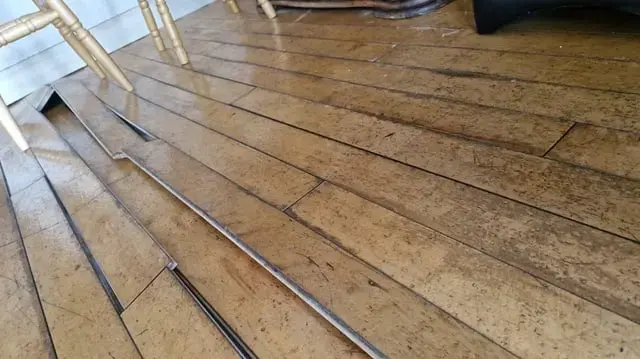
First steps for slab leak water damage in Simi Valley
- Test the meter
Close every faucet and appliance, then check the meter dial or leak indicator for any movement.
- Turn off the supply
If the dial moves, close the main shutoff valve at the house and call a plumber for leak detection.
- Protect the floor
Move rugs, boxes and furniture off damp flooring and photograph any wet spots, stains or lifting boards.
- Call the drying team
Share what the plumber found so the crew can plan the flooring removal and slab drying.
How slab leak water damage is handled in Simi Valley
A slab leak is a pressurized pipe leaking in or under a concrete floor. Water follows the path of least resistance, so the first sign in a Simi Valley home is often a warm spot, a damp carpet edge or a water meter that keeps turning with every fixture closed.
Rapid local response
The response team dispatches 24/7, and active water in Simi Valley is treated as urgent at any hour, weekends and holidays included.
IICRC S500 drying standard
The drying team maps moisture before equipment goes down and dries the structure, not just the surface, to the IICRC S500 goal.
Claim-ready documentation
The tech who does the walkthrough logs timestamped photos, a moisture map and daily psychrometric readings for the adjuster.
Local water know-how
Local restoration pros plan around hidden leaks under floors, root-blocked sewer laterals, attic AC drains and winter storm runoff.
What does slab leak water damage cost in Simi Valley, CA?
Slab leak water damage in Simi Valley runs $1,500 to $3,000 when caught early, $3,000 to $7,000 across several rooms, and $7,000 to $14,000+ for large or radiant-slab leaks.
Small leak caught early
- Flooring pulled above the leak
- Slab and baseboards dried
- Readings logged daily
Several rooms of flooring
- Carpet or laminate removed
- Wall bottoms opened and dried
- Tented drying with LGR units
Large or radiant slab
- Slab mapped room by room
- Desiccant units on the slab
- Hardwood dried or pulled
These are typical Simi Valley ranges, not a quote. Water category, wet square footage, material class and the hours before drying began move the final number. The water damage cost calculator narrows it for your loss.
The slab leak water damage process, step by step
- 1
Map the moisture
Meters read the slab and nearby walls in a grid, which shows how far water traveled from the leak.
- 2
Open the wet layers
Wet carpet, pad, laminate or wood comes up, and baseboards and wall bottoms are opened where readings stay high.
- 3
Tent and dry the slab
Plastic sheeting concentrates dehumidified air over the concrete, with desiccant units added when the slab holds moisture.
- 4
Confirm before rebuilding
Slab readings are compared against the dry reference point, and the log goes to the owner before new flooring is installed.
Signs that water is moving under the floor
- A warm patch on a tile or hard floor, often tied to a leaking hot water pipe.
- A hiss or trickle heard from the floor with all fixtures shut.
- Damp carpet at the edges, lifting laminate or baseboards that swell and stain.
- A water bill that climbs with no change in use.
Any one of these is enough reason to test the meter and call a plumber. The drying team takes over once the leak is found and stopped.
Why concrete takes longer to dry than drywall
Concrete holds water far longer than drywall, so a surface that feels dry can still be giving off moisture from below. The crew sets a reference reading on a dry part of the slab, then measures wet spots against it on every visit.
Carpet and pad usually come up first, and wall bottoms are opened where readings show the water wicked in. Structural drying then runs until the slab settles.
What happens to the flooring
The material on top of the slab decides how much comes out.
- Carpet and pad are removed, because slab water soaks the pad from below.
- Laminate and engineered wood swell and rarely recover.
- Tile usually stays, with the grout and the slab beneath it dried.
- Solid hardwood is dried with floor mats when readings allow, otherwise it is pulled.
Ground conditions around a slab
Simi Valley's building code findings describe expansive soils, a high groundwater table, seismic activity and, in some areas, corrosive groundwater. That is the ground background for any slab assessment, since soil that swells and shrinks can load the pipes under a floor, which is why a plumber's test matters before any flooring goes back.
- Slab readings taken in a grid across each affected room.
- Flooring type recorded, with what was removed and why.
- Wall bottoms and cabinets metered for wicking.
- Equipment placed and daily changes in the readings.
With 23,496 of the city's 45,201 housing units built before 1980, plumbing age is a fair question to ask, though it never proves where a leak is.
Plumber first, then drying
Drying cannot finish while the pipe is still leaking, so the repair or reroute comes first, and the drying team starts as soon as the leak is isolated.
Slab Leak Water Damage across Simi Valley and nearby communities
24/7 dispatch and rapid local response for Simi Valley, CA, day or night.
Slab leak work covers Simi Valley from Big Sky and Wood Ranch to Community Center, Corriganville and the Tapo Canyon area, wherever a floor has gone damp, with one drying team following the job from mapping to the final reading.
The same service nearby: slab leak water damage in Granada Hills, Santa Clarita, San Fernando. Every town covered is on the service area page.
Water damage restoration in Simi ValleySlab Leak Water Damage questions in Simi Valley, CA
Water still moving in Simi Valley?
Think water is moving under a floor? Share what the meter and the floors are doing, and the drying team will explain the next step.
(888) 578-6508 Ask about Simi Valley slab leaksHow do I know the leak is under the slab?
A running meter with all fixtures off, a warm floor spot or the sound of water from the floor points that way, but only a plumber's detection can confirm the location.
Can the drying team find the leak?
The drying team finds where moisture traveled and how wet the materials are. Pinpointing the broken pipe is the plumber's job, using acoustic or electronic detection.
Does the flooring have to come out?
Carpet and pad almost always do. Tile can sometimes stay, laminate usually swells beyond saving, and hardwood is dried when readings allow, otherwise removed.
Why does the slab take so long to dry?
Concrete is dense and holds water deep inside, so it releases moisture slowly. Dehumidifiers, tenting and sometimes desiccant equipment keep pulling it out until readings level off.
Does Simi Valley's soil affect slab leaks?
The city's code findings list expansive soils and a high groundwater table, with corrosive groundwater in some areas, so a plumber may ask about ground conditions when judging why a pipe failed.
Should I see the plumber or the drying crew first?
Start with the plumber, because drying cannot finish while the pipe still leaks. Then call the drying team and share the plumber's findings so the scope matches the damage, as with a burst pipe.
Damp floor in Simi Valley and no clear cause?
A leak under concrete keeps feeding the slab until it is stopped, so testing the meter and scheduling the plumber is the first move.
(888) 578-6508Talk through a Simi Valley slab leak