Water Extraction and Removal in Simi Valley, CA
Standing water and soaked carpet pad come out of Simi Valley floors first, using extractors matched to the room, so drying equipment works on damp materials instead of pooled water.
(888) 578-6508Simi Valley water removal help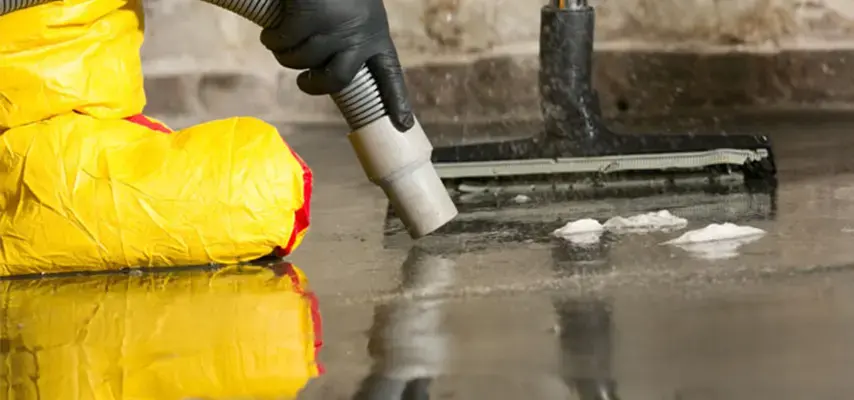
First steps for water extraction and removal in Simi Valley
- Stop the water
Close the fixture valve or the main shutoff so no new water reaches the floor.
- Lift what you can
Raise furniture legs onto blocks or foil and move rugs, boxes and electronics to a dry room.
- Avoid household vacuums
A standard vacuum is not built for water and can shock the user, so leave standing water to the crew.
- Photograph the damage
Photograph the high-water mark, wet belongings and flooring before anything is moved or thrown out.
How water extraction and removal is handled in Simi Valley
Extraction turns a flooded room into a drying project. In Simi Valley the water might come from a failed supply hose, a ceiling that gave way or storm runoff at the garage door, and each job starts the same way: pull the water out before it spreads into the framing.
Rapid local response
The response team dispatches 24/7, and active water in Simi Valley is treated as urgent at any hour, weekends and holidays included.
IICRC S500 drying standard
The drying team maps moisture before equipment goes down and dries the structure, not just the surface, to the IICRC S500 goal.
Claim-ready documentation
The tech who does the walkthrough logs timestamped photos, a moisture map and daily psychrometric readings for the adjuster.
Local water know-how
Local restoration pros plan around hidden leaks under floors, root-blocked sewer laterals, attic AC drains and winter storm runoff.
What does water extraction and removal cost in Simi Valley, CA?
Water extraction in Simi Valley runs about $350 to $1,100 for one room of clean water, with larger or contaminated jobs costing more because carpet, pad and protective work add up.
One wet room, clean source
- Extractor pass over the floor
- Baseboards and pad checked
- Moisture map for drying
Several rooms or soaked pad
- Weighted extraction on carpet
- Wet pad bagged and removed
- Furniture blocked off the floor
Category 3 or a full floor
- Carpet and pad removed
- Protective gear and containment
- Antimicrobial before drying
These are typical Simi Valley ranges, not a quote. Water category, wet square footage, material class and the hours before drying began move the final number. The water damage cost calculator narrows it for your loss.
The water extraction and removal process, step by step
- 1
Assess the water
The crew identifies the water category, checks how far it traveled and decides which rooms need extraction first.
- 2
Extract and remove
Truck-mounted or portable units pull the standing water, and saturated pad or carpet is cut out where it cannot be saved.
- 3
Meter the structure
Moisture meters check baseboards, wall bottoms and subfloors so hidden water gets mapped before equipment is placed.
- 4
Set up drying
Air movers and dehumidifiers go in, and daily readings show whether the room is drying or needs another pass.
What the extraction crew removes first
Standing water goes first, because every inch left on the floor keeps soaking into pad, baseboards and the bottom of the walls.
- Truck-mounted units handle large areas and deep water.
- Portable extractors reach upstairs rooms, closets and tight hallways.
- Weighted carpet tools press water out of the pad while it is still in place.
- Squeegee and wet vacuum passes clear tile, vinyl and sealed wood.
Carpet and pad decisions
Clean water caught early often leaves the carpet worth saving, while the pad underneath is the first thing to fail.
Gray or black water changes that math: porous pad and carpet that touched contaminated water are bagged and removed, not dried.
How Simi Valley weather and housing shape the job
The city says flooding generally occurs in the rainy season from October through April, and February is the wettest month at 4.8 inches on average. Extraction crews expect garages and entries to take on water in those months, plus indoor leaks the rest of the year.
Apartments change the picture too. About 7,571 of the city's 45,201 housing units sit in buildings with two or more units, so water from one floor often reaches the rooms below.
Handing the room to the drying team
Once the pooled water is gone, the crew meters floors, wall bottoms and furniture to see how far moisture traveled.
- Readings are marked on a simple moisture map.
- Air movers and a dehumidifier go in where the map shows wet materials.
- Daily visits repeat the readings until they match dry reference points, as in structural drying.
Why speed matters
Wet drywall and carpet can start growing mold in 24 to 48 hours, so extraction is the step that decides how much has to be torn out later.
Water Extraction and Removal across Simi Valley and nearby communities
24/7 dispatch and rapid local response for Simi Valley, CA, day or night.
Extraction work covers all of Simi Valley, including Wood Ranch, Big Sky, Community Center, Corriganville, Santa Susana, the Tapo Canyon area, downtown and the Los Angeles Avenue corridor, in houses, condos and apartments alike.
The same service nearby: water extraction and removal in Granada Hills, Santa Clarita, San Fernando. Every town covered is on the service area page.
Water damage restoration in Simi ValleyWater Extraction and Removal questions in Simi Valley, CA
Water still moving in Simi Valley?
Not sure whether the floor can be saved? Describe the room and the source, and the extraction crew will explain what comes out and what stays.
(888) 578-6508 Ask about Simi Valley extractionHow do I know extraction is finished?
The crew keeps passing over the floor until the extractor stops pulling water, then meters the pad, baseboards and subfloor to confirm nothing wet is left behind.
Can wet carpet be saved after extraction?
Often yes when the water was clean and extraction began early. The crew lifts a corner, checks the pad, and recommends removal if the pad is soaked or the water was contaminated.
Is extraction different after a storm?
Storm runoff carries mud and bacteria, so the crew removes silt first, extracts the water and treats the floor before drying. Clean-water leaks skip most of that cleanup.
Does extraction include drying the walls?
Extraction handles the water that can be pulled out. Walls, subfloors and framing then move into structural drying, where dehumidifiers and air movers finish the job.
Can I run a wet vac myself?
A wet vac can help with a small spill, but it will not draw water out of pad or wall bottoms, and plugging in around standing water is a shock risk.
What if the water came from an upstairs unit?
The crew meters the rooms below the source, documents each affected unit and extracts where needed, since water from above usually travels through ceilings and walls before it pools.
Standing water in a Simi Valley room?
Water keeps moving into pad and drywall while it sits, so extraction is the step worth starting first.
(888) 578-6508Start Simi Valley extraction