Water Damage Restoration Simi Valley, CA
Simi Valley homes and businesses get water extraction, structural drying and cleanup after pipe failures, sewage backups, storm runoff and leaking roofs, with moisture readings logged until every surface reads dry.
(888) 578-6508Call about Simi Valley water damage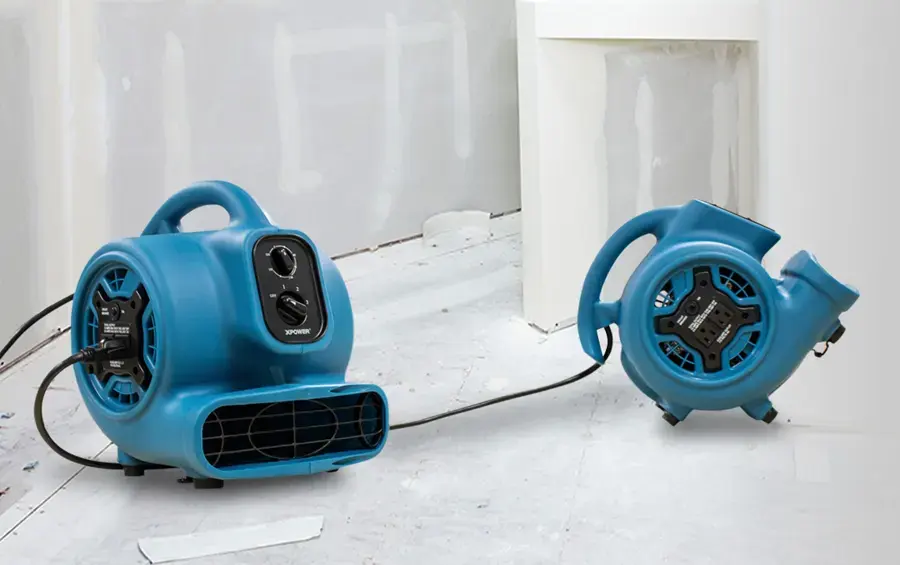
Water damage services for Simi Valley properties
From a slab leak to a sewage backup, each type of loss gets its own extraction, drying and cleanup plan, sized to the property in Simi Valley.
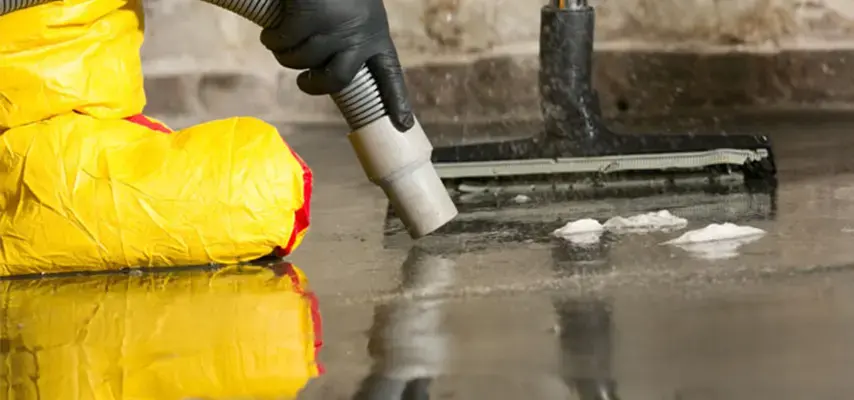 Water Extraction and RemovalTruck-mounted and portable extractors pull standing water and soaked pad from floors before drying begins.Simi Valley service details
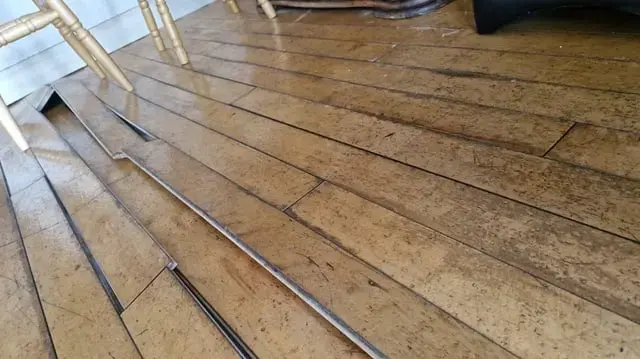 Slab Leak Water DamageWet flooring over a slab leak comes up, and the concrete is dried against logged moisture readings.Simi Valley service details
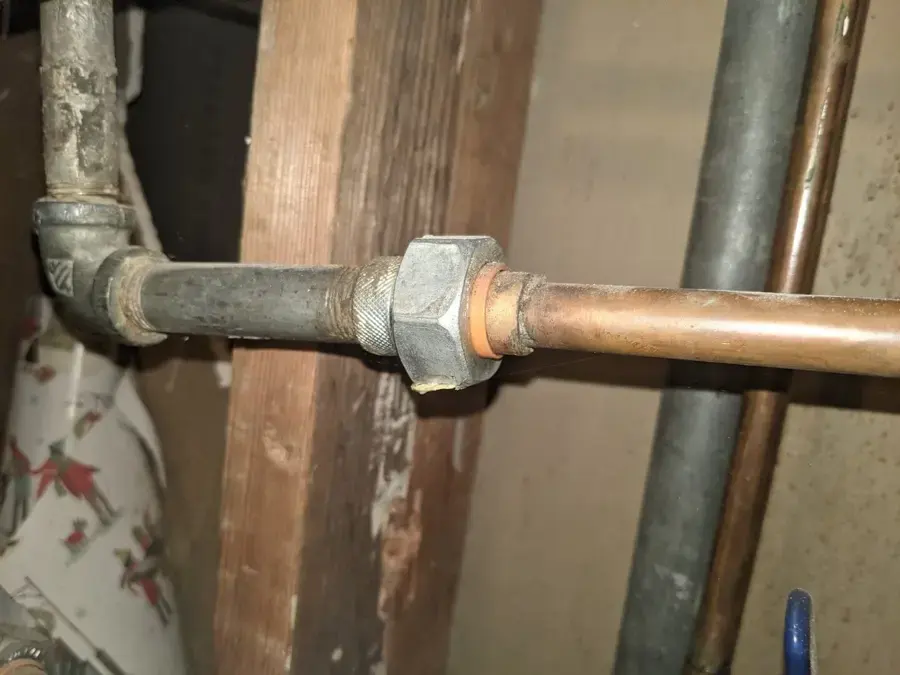 Burst Pipe Water DamageA failed pipe soaks walls and ceilings, so wet insulation comes out and the cavities are dried.Simi Valley service details
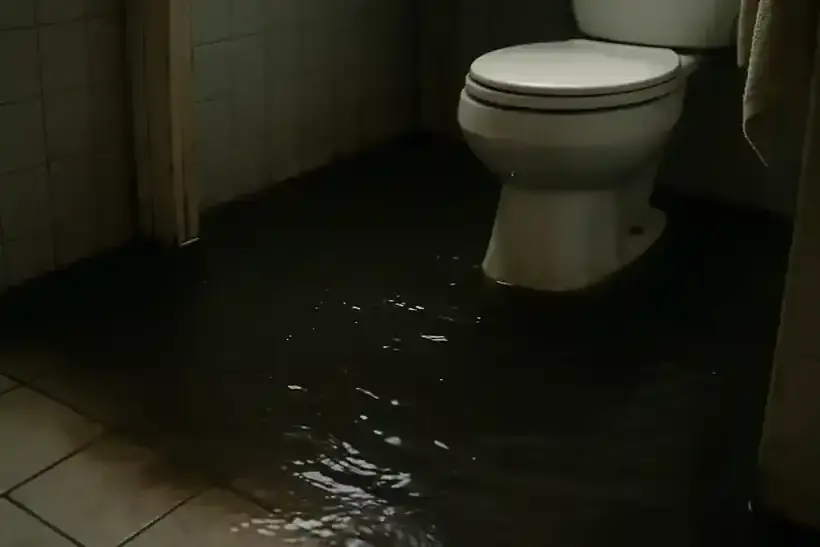 Sewage Backup CleanupCrews in protective gear contain the area, remove porous materials that touched sewage and treat what stays.Simi Valley service details
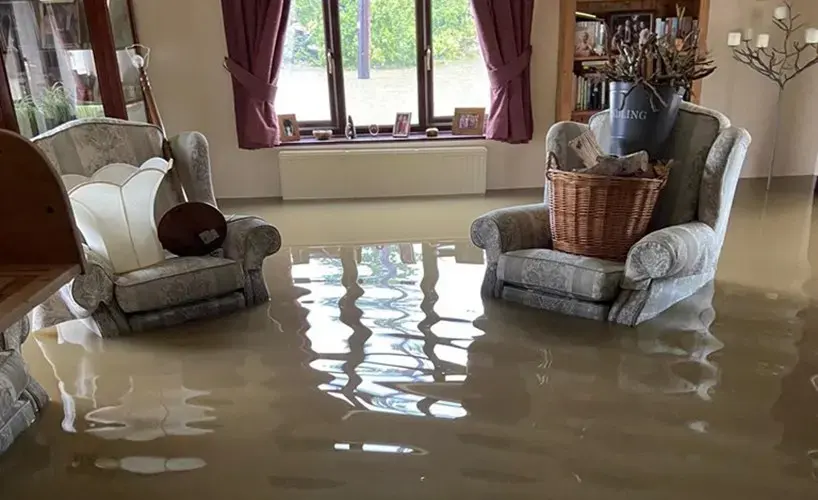 Storm Runoff and Flood CleanupMud, silt and runoff are cleared from garages and entries, then the damp structure is dried.Simi Valley service details
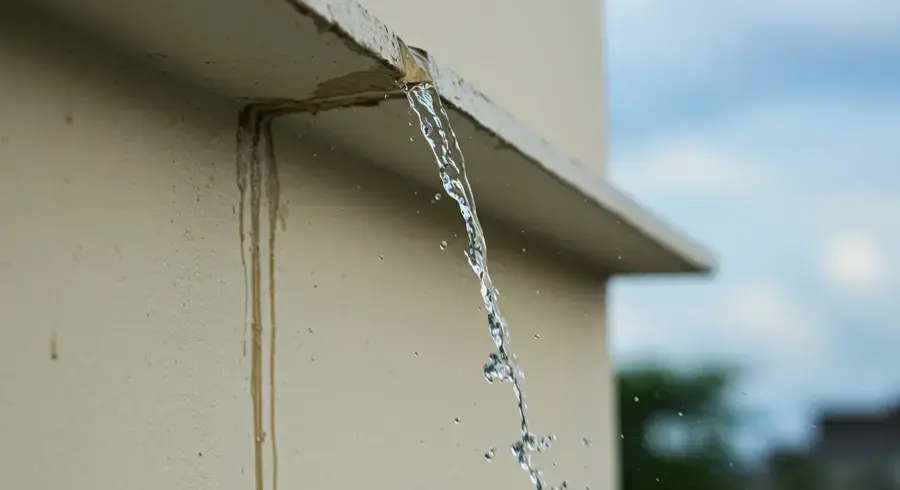 Roof Leak Water DamageRain that gets past the roof soaks attic insulation and ceilings, which are dried or opened up.Simi Valley service details
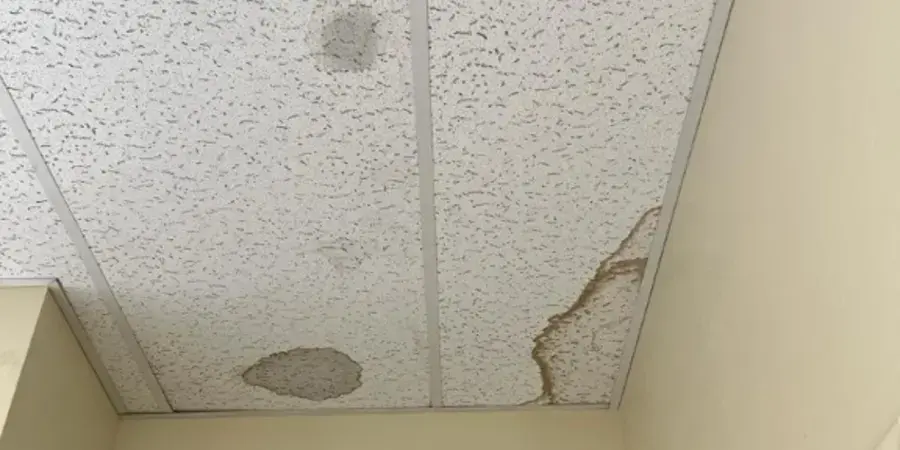
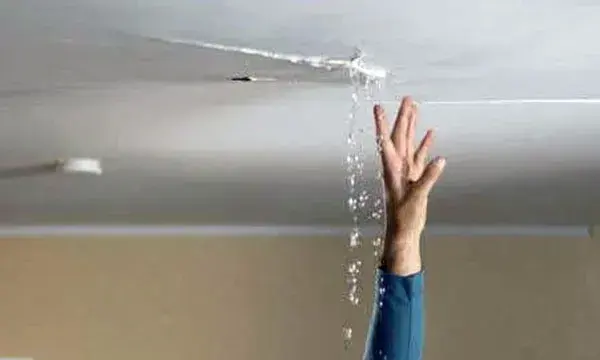 Ceiling Leak Water DamageA stained or sagging ceiling is traced to its source, drained safely and dried out.Simi Valley service details
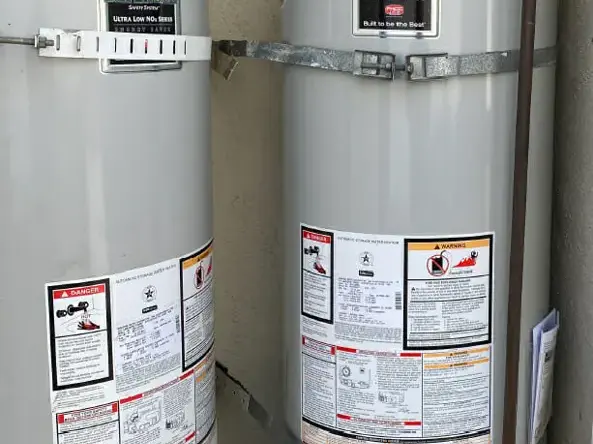 Water Heater Leak CleanupA failed tank floods the garage or closet, and the water is extracted before it wicks into walls.Simi Valley service details
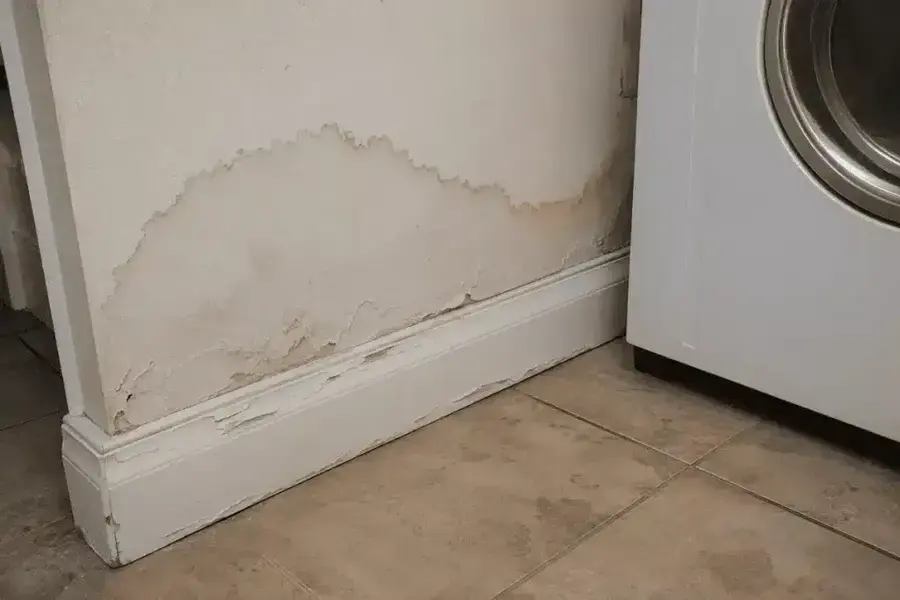 Appliance and Supply Hose LeaksWasher, dishwasher and fridge hoses fail quietly, so floors, toe kicks and cabinets are metered and dried.Simi Valley service details
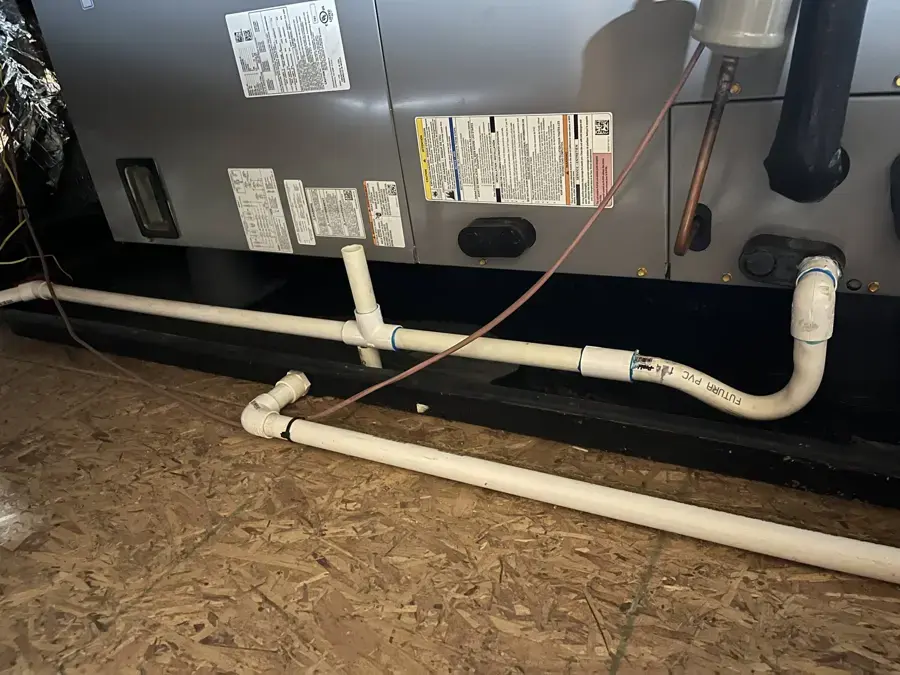 AC Condensate Overflow CleanupA clogged condensate drain overflows into the attic and leaves ceiling stains that are dried in place.Simi Valley service details
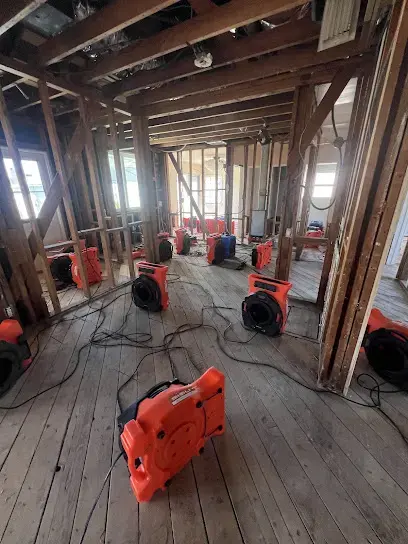
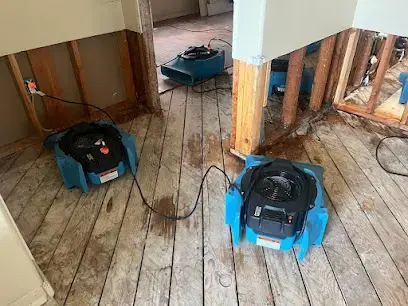
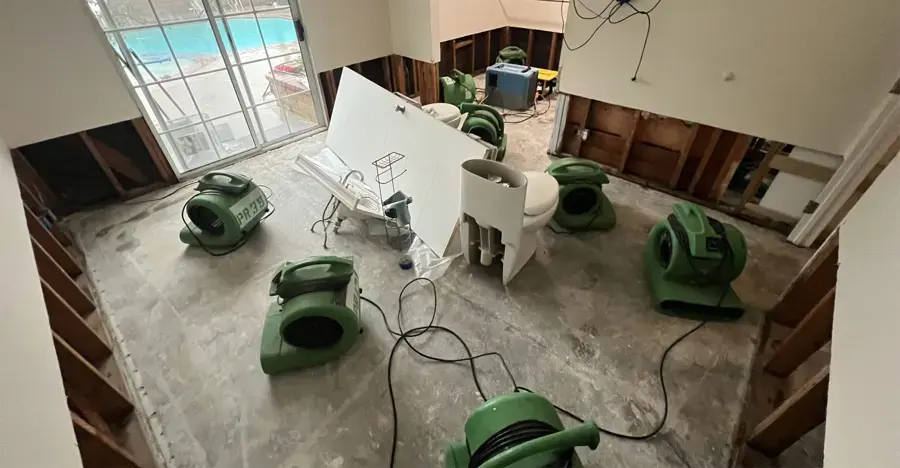 Structural Drying and DehumidificationDehumidifiers, air movers and daily readings dry framing, subfloors and walls to a measured finish.Simi Valley service details
 Commercial Water DamageShops, offices and multi-tenant buildings are dried in phases, so the rest of the business keeps running.Simi Valley service details
Local crews who dry homes to a measured standard, not a guess
Crews on call
Water keeps spreading after hours, so the response team works nights and weekends, starting with the source and the standing water.
Drying measured, not guessed
Moisture meters, thermal imaging and a daily psychrometric check decide when equipment moves, so a wall is signed off by readings instead of by touch.
Paperwork for the claim
Photos, moisture maps and a dated equipment log are kept for every job, so an adjuster reviewing the loss can see what was wet and what came out.
Knows the valley
Simi Valley has two water suppliers, rainy months from October through April and a mix of houses and apartments, and the crew plans around each of those conditions.
Gear sized to the room and the water category
- Truck-mounted extraction Strong vacuum power clears standing water from large floors before drying begins.
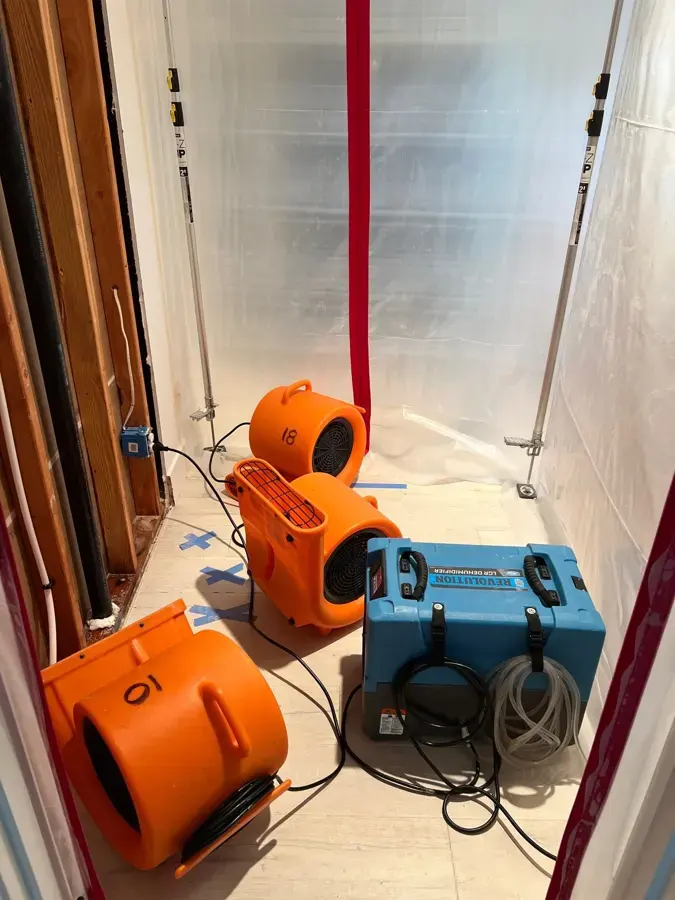
- LGR dehumidifiers Low grain refrigerant units pull moisture from the air so wet materials keep releasing it.
- Air movers Wide, low airflow across floors and wall bottoms speeds evaporation while the dehumidifier collects vapor.
- Moisture meters and thermal cameras Readings and heat images show where water hides inside walls and under flooring.
A valley city with older housing, wet winters
Simi Valley sits in a valley ringed by the Santa Susana Mountains and the Simi Hills, with 45,201 housing units and a median home built in 1979. About half of those units predate 1980. Rain falls mostly from October through April, but hose, heater and drain failures happen in every other month too.
The restoration team here handles water extraction, structural drying and cleanup for houses, condos, apartments and businesses, and every job follows the same measured drying standard from first readings to sign-off.
Meet the Simi Valley drying crewEquipment and tear-out on a typical water job
What water damage restoration costs in Simi Valley
A small clean-water leak usually runs $450 to $2,000, several wet rooms or wet walls run $2,000 to $6,500, and sewage or a flooded floor runs $6,500 to $15,000+, depending on the water category and how much has to be removed.
Small clean-water leak
- Extraction and a moisture check
- Air movers on the wet floor
- Daily readings until dry
Several rooms or wet walls
- Flooring pulled where needed
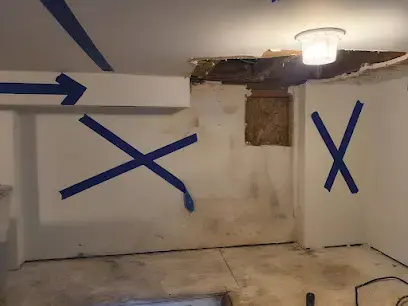
- Wall bottoms opened and dried
- Dehumidifiers and containment
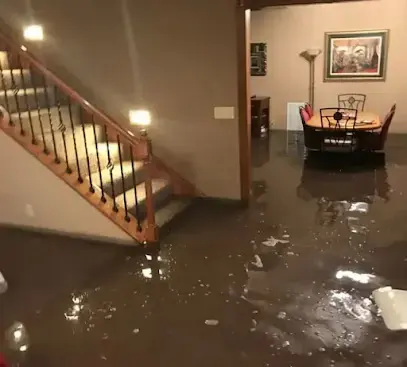
Sewage or a flooded floor
- Protective gear and removal
- Contaminated materials bagged
- Antimicrobial before drying
Final numbers depend on moisture readings, the water category and how much flooring or drywall has to come out, so a walkthrough sets the real figure.
The water category decides how cleanup is done
Clean water
A broken supply pipe or tank starts clean, and flooring or pad can often be saved when drying begins early.
Burst pipe water damageGray water
Washer, dishwasher and sink overflows carry soap and food residue, so porous materials are checked and often removed.
Appliance and hose leaksBlack water
Sewage and storm runoff carry bacteria, so porous materials come out and the area is treated before any drying starts.
Sewage backup cleanupWork that follows the IICRC S500 water damage standard
Simi Valley jobs start with a water category and a drying class, then equipment is sized to the room and checked daily until readings match a dry reference point.
Documentation that supports a claim
Each job file holds time-stamped photos, room-by-room moisture readings, a list of removed materials and the equipment schedule, written so an adjuster can follow the loss from the first reading to the final sign-off.
What a policy pays depends on the policy itself, so coverage questions go to the carrier or agent. The restoration team supplies records and scope notes, not coverage opinions, and keeps its estimates itemized.
What to do right after water shows up
- Stop the source. Close the fixture valve or the main shutoff, and switch off a failing water heater, so nothing new reaches the floor.
- Keep it safe. Stay out of rooms with sagging ceilings, sewage or wet outlets, and cut power to a wet area only if the panel is dry.
- Take photos. Photograph the water, the affected rooms and damaged belongings before anything moves, and note where the water started.
- Call for extraction. Lift small items and pillows off wet carpet and pull up loose rugs, so the crew can work on the pad.
Water damage help across Simi Valley
Crews work across Simi Valley, from Wood Ranch and Big Sky to the Los Angeles Avenue corridor and the downtown core.
Simi Valley ZIP codes served
Every Simi Valley ZIP code is covered, including 93093, 93094 and 93099, and the same crews reach the Tapo Canyon area, Santa Susana and Corriganville.
All service areas beyond Simi ValleyNeighborhoods
Main corridors
Civic landmarks
Parks and shopping
Downtown and depot
Bordering communities
Nearby cities covered
One call starts extraction, drying and cleanup for a Simi Valley property
Whether the water came from a supply hose in an apartment or runoff across a garage floor, the same response team handles the whole job from first extraction to final readings.
What makes water damage likely in Simi Valley
The city's findings and housing numbers explain why leaks, runoff and backups show up here, and where the crew looks first.
- Older housing: Of the city's 45,201 housing units, 23,496 were built before 1980, which leaves plenty of older supply pipes, drains and fixtures to wear out.
- Soil and groundwater: The city's building code findings list expansive soils, a high groundwater table and, in some areas, corrosive groundwater, all of which matter around slabs and foundations.
- Rainy season: The city says flooding generally occurs from October through April, and closely grouped storms saturate the soil, so garages and entries often take on runoff.
- Sewer laterals: The city runs the public sewer, but owners own the upper and lower lateral to the main and must maintain it, so a failure on the property side rests with the owner.
- Two water suppliers: Ventura County Waterworks District No. 8 serves about 60 percent of the city and Golden State Water serves the other 40 percent, so the supplier depends on the address.
Simi Valley water damage questions
Need an answer for your own situation?
Describe the damage and where the water started, and the response team will explain the next steps.
(888) 578-6508 Talk with the Simi Valley teamHow much does water damage restoration cost in Simi Valley?
Cost follows the number of wet rooms and the water category. A small clean-water leak falls in the $450 to $2,000 range, while sewage or a flooded floor lands in the $6,500 to $15,000+ range once removal and containment are added.
What should I do first when a pipe bursts?
For a burst pipe, close the main shutoff valve, open the lowest faucet to drain the pipes, move electronics and rugs off the floor, and photograph the water before calling for extraction.
How do I know the water is sewage?
Sewage smells foul, looks dark or cloudy and often rises through floor drains, tubs or toilets. Treat any backup as contaminated, keep people and pets out, and leave the cleanup to a crew in protective gear.
Does the crew handle storm runoff in garages?
Yes, and storm runoff and flood cleanup is a service of its own because runoff carries silt and bacteria. The crew removes mud, extracts the water, cuts out soaked pad or baseboard and treats the area before drying.
Who fixes a sewer lateral problem, the city or me?
Under the City of Simi Valley Sewer Lateral Policy, owners own and maintain the lateral from the building to the public main. If a City-owned tree root may be involved, the owner contacts the City for inspection before repairing.
Does a slab leak need special drying?
Yes. Water under a concrete floor spreads sideways and holds in the slab, so a slab leak job maps the moisture, lifts wet flooring and often adds desiccant drying before the floor goes back.
Will the crew work with my adjuster?
The crew shares photos, moisture maps and daily logs with an adjuster on request and keeps scope notes itemized, but coverage decisions stay between the owner and the carrier, so the crew never predicts what a policy will pay.
How soon can mold start after a leak?
Mold can begin growing on wet materials within 24 to 48 hours, which is why extraction comes first and drying equipment keeps running until the readings return to normal. Wet drywall, carpet pad and insulation are the usual places it starts.
Is a condo or rental handled differently?
The drying work is the same, but a leak in a building with two or more units can reach neighbors, so the crew documents each affected unit and the owner or manager should hear about it early.
Do businesses get the same water damage service?
Yes. Commercial water damage jobs dry offices, shops and multi-tenant buildings in phases so part of the space stays usable, and each suite gets its own documentation, with the same drying standard behind it.
Water on a Simi Valley floor right now?
The sooner extraction starts, the more flooring, pad and drywall can be dried instead of replaced, so waiting on a wet floor usually costs more.
(888) 578-6508Send the Simi Valley crew now