Sewage Backup Cleanup in Glendale, CA
A sewage backup is contaminated water from the moment it surfaces, so the Glendale crew contains the area, removes what cannot be cleaned, treats the surfaces and then dries the structure.
(888) 578-6508Glendale sewage backup help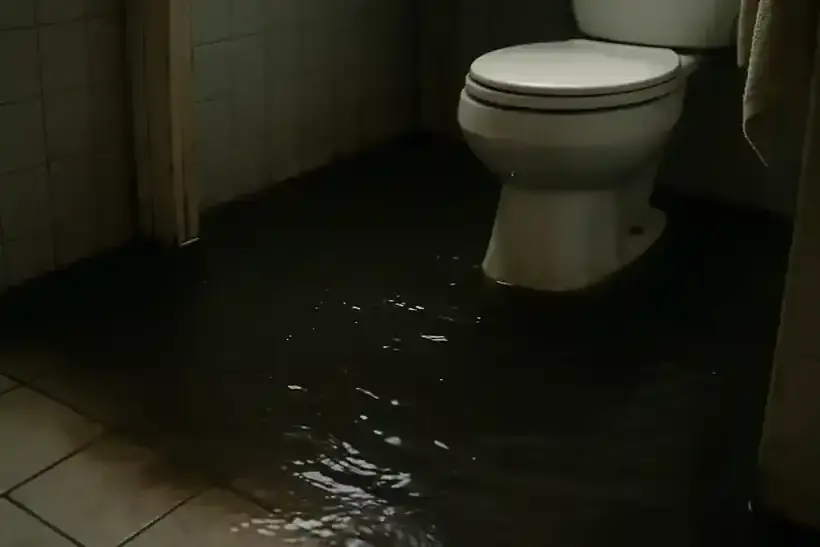
First steps for sewage backup cleanup in Glendale
- Stay out.
Keep everyone, pets included, out of the area and close the door.
- Stop the flow.
Stop using drains and toilets until the cause is known, so no more wastewater is added.
- Do not clean it up.
Mopping or vacuuming sewage spreads bacteria, so leave it to protective gear and the crew.
- Photograph and call.
Take pictures from the doorway, then call so the crew can bring containment and protective gear.
How sewage backup cleanup is handled in Glendale
Sewage backup work is handled as a contamination job, not a leak. The wastewater that reaches a building carries bacteria, so the crew limits who enters, protects the rest of the property and removes anything porous that the water touched.
Rapid local response
The response team dispatches 24/7, and active water in Glendale is treated as urgent at any hour, weekends and holidays included.
IICRC S500 drying standard
The drying team maps moisture before equipment goes down and dries the structure, not just the surface, to the IICRC S500 goal.
Claim-ready documentation
The tech who does the walkthrough logs timestamped photos, a moisture map and daily psychrometric readings for the adjuster.
Local water know-how
Local restoration pros plan around hidden leaks under floors, root-blocked sewer laterals, attic AC drains and winter storm runoff.
What does sewage backup cleanup cost in Glendale, CA?
Sewage cost in Glendale follows the area touched, the materials that must be removed and how large the contained work area is. Black water always costs more than clean water.
One bathroom or laundry
- Extraction in protective gear
- Porous materials removed and bagged
- Antimicrobial, then drying
Several rooms, one floor
- Containment and air scrubbers
- Carpet, pad and drywall out
- Structural drying with logs
Large backup with tear-out
- Cabinets and flooring removed
- Whole-floor treatment
- Extended drying and clearance
These are typical Glendale ranges, not a quote. Water category, wet square footage, material class and the hours before drying began move the final number. The water damage cost calculator narrows it for your loss.
The sewage backup cleanup process, step by step
- 1
Assess and contain
The crew sets up protective gear, seals off the affected area and identifies how far the wastewater traveled.
- 2
Extract and remove
Standing sewage is pumped out, then carpet, pad, insulation and drywall that absorbed it are removed and bagged.
- 3
Clean and treat
Hard surfaces and exposed framing are cleaned and treated with antimicrobial products before any drying.
- 4
Dry and document
Air movers and dehumidifiers dry the structure with readings logged, and the records go to the owner and the adjuster.
How Glendale's sewer system fits in
The City of Glendale's Public Works Maintenance Services Division runs wastewater operations, which cover public sewer mains, storm drains and lift stations. A 2015 Glendale News-Press report said the city's sewers send wastewater to the Los Angeles-Glendale Water Reclamation Plant, shared with the City of Los Angeles.
If a backup may come from a public main, Public Works is the city division that handles wastewater, and the restoration team cleans up inside the building either way.
What happens inside the building
- Everyone stays out of the affected area while protective gear and containment go up.
- Standing wastewater is extracted, then carpet, pad, insulation and drywall that soaked it up are removed and bagged.
- Hard surfaces and framing are cleaned, then treated with antimicrobial products.
- Drying equipment runs only after the contaminated materials are out, as in any structural drying job.
Running fans before removal would blow contaminated air through the building, which is why removal and treatment always come first.
Why one backup can reach several households
More than half of Glendale's housing units, 41,529 of 75,907, sit in buildings of five or more units, so one backup can touch several households at once. The crew sets containment between affected units and the rest of the building.
Each room and unit that was touched is recorded for the property manager and the adjuster, so no household is left out of the claim.
Keep the area closed
Walking through a backup area carries contamination into dry rooms. Closing the door and keeping people and pets out until the crew has assessed the space keeps the cleanup to one area. Standing water follows the same water extraction steps afterward.
Sewage Backup Cleanup across Glendale and nearby communities
24/7 dispatch and rapid local response for Glendale, CA, day or night.
Sewage backup calls come from houses, condominiums and apartment buildings across Glendale, including Adams Hill, Rossmoyne and Verdugo Woodlands, along with the downtown blocks near the Americana at Brand and the Glendale Galleria.
The same service nearby: sewage backup cleanup in Granada Hills, Burbank, San Fernando. Every town covered is on the service area page.
Water damage restoration in GlendaleSewage Backup Cleanup questions in Glendale, CA
Water still moving in Glendale?
Sewage backing up in a Glendale building? Describe the affected rooms, and the crew will bring protective gear.
(888) 578-6508 Glendale sewage cleanup helpIs sewage water ever treated as clean?
No. A sewage backup is treated as contaminated water from start to finish, so protective gear, containment, removal of porous materials and antimicrobial treatment apply every time.
Can carpet be cleaned after a backup?
Usually not. Carpet and pad that soaked up sewage are porous and are removed and bagged, while hard surfaces and framing can be cleaned and treated.
Who handles the public sewer mains?
The City of Glendale's Public Works Maintenance Services Division runs wastewater operations, which cover public sewer mains, storm drains and lift stations. The restoration team handles cleanup inside the building.
Can a backup affect other units?
Yes. Buildings of five or more units hold 41,529 of Glendale's housing units, so containment is set between affected units and the rest of the building, and the touched rooms are recorded.
When can the room be used again?
After contaminated materials are out, surfaces are treated and drying readings reach their targets. The crew confirms each step in the records before rebuilding starts.
Is a sewage backup a mold risk?
Damp materials left behind can support mold in 24 to 48 hours, which is why porous items are removed early and the structure is dried once treatment is done.
A Glendale sewage backup needs careful handling
The response team contains the area, removes contaminated materials, treats the surfaces and dries the structure, with records kept for the owner and the adjuster.
(888) 578-6508Call the Glendale sewage cleanup crew