Water Extraction and Removal in Glendale, CA
When a main breaks or a storm pushes water indoors, the extraction crew pulls the standing water and wet pad out of Glendale buildings, then hands off to a drying plan.
(888) 578-6508Glendale standing water help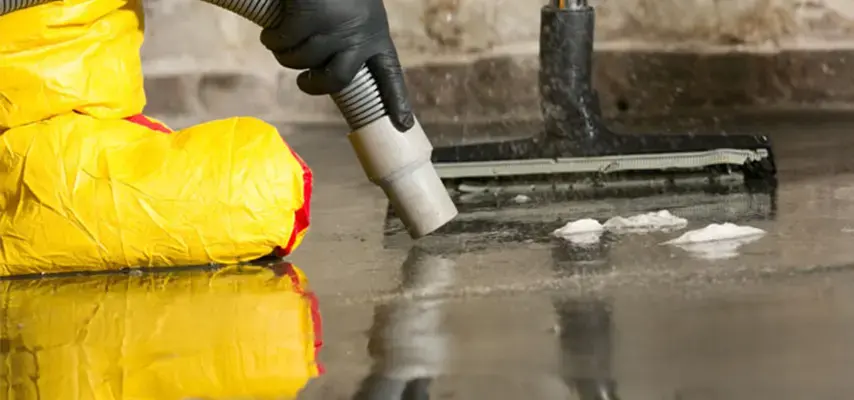
First steps for water extraction and removal in Glendale
- Stop the water.
Close the fixture valve or the main shutoff, and lift belongings off the floor.
- Move what is safe.
Raise rugs, electronics and small furniture onto dry surfaces and leave heavy pieces in place.
- Hold off on mopping.
Walking on wet carpet pushes moisture deeper into the pad, so leave the floor as it is for photos.
- Call and photograph.
Photograph the high-water mark and damaged items, then call so the crew can plan equipment for the floor type.
How water extraction and removal is handled in Glendale
Extraction in Glendale starts with the source of the water, because a main break outside, a failed fixture inside and a rain-soaked entry each call for different protection and different handling of the wet materials.
Rapid local response
The response team dispatches 24/7, and active water in Glendale is treated as urgent at any hour, weekends and holidays included.
IICRC S500 drying standard
The drying team maps moisture before equipment goes down and dries the structure, not just the surface, to the IICRC S500 goal.
Claim-ready documentation
The tech who does the walkthrough logs timestamped photos, a moisture map and daily psychrometric readings for the adjuster.
Local water know-how
Local restoration pros plan around hidden leaks under floors, root-blocked sewer laterals, attic AC drains and winter storm runoff.
What does water extraction and removal cost in Glendale, CA?
Extraction cost in Glendale follows how much floor is wet and what category the water is. One room of clean water costs the least, while Category 3 water or a whole floor costs the most.
One room, clean source
- Extractor pass over the floor
- Pad checked along the walls
- Moisture map of the room
Several rooms or soaked pad
- Weighted carpet pass
- Wet pad cut out and bagged
- Furniture lifted onto blocks
Category 3 water or a full floor
- Carpet and pad removed
- Protective gear and containment
- Antimicrobial before drying
These are typical Glendale ranges, not a quote. Water category, wet square footage, material class and the hours before drying began move the final number. The water damage cost calculator narrows it for your loss.
The water extraction and removal process, step by step
- 1
Assess and protect
The crew identifies the water category, checks for electrical hazards and lays protection along the path to the wet area.
- 2
Extract the water
Truck-mounted or portable units pull standing water, with extra passes over carpet and a pad check along the baseboards.
- 3
Remove what cannot dry
Saturated pad, damaged baseboards and any contaminated porous material are cut out, bagged and photographed.
- 4
Hand off to drying
Moisture readings map what is still wet, then air movers and dehumidifiers take over with daily logs.
What the extraction step covers
- Carpet gets a weighted extraction pass, and pad that stays saturated is cut out and bagged for disposal.
- Tile, vinyl and sealed floors are squeegeed and vacuumed, then checked at the seams and along the baseboards.
- Standing water in cabinet bases and closets is pumped out before the contents wick it upward.
- Furniture is lifted onto blocks so legs and finishes do not stain while the floor dries.
Every removed item is photographed and listed, which gives the adjuster a clear record of what was wet and what had to go.
Where Glendale's water comes from
The late December 2025 storms showed two sources at once: water entered the first floor of the Police Department building, and a water main broke on Maple Street east of Central Avenue. Homes and businesses face the same pair, a storm pushing in from outside and a failure starting within.
Glendale Water and Power crews repair the public mains. The extraction crew works on whatever water ends up inside the walls and floors of the building.
When extraction is only the first step
Water left in pad, baseboards and wall bottoms keeps evaporating into the room, so extraction is followed by moisture mapping and structural drying.
- Pad under carpet usually comes out when it soaked for long or carries gray or black water.
- Wall bottoms and baseboards are metered, and drywall is opened where readings stay high.
- Category 3 water changes the job: a contained work area, protective gear and antimicrobial treatment come before drying.
- Hardwood and laminate are checked for cupping and buckling before the decision to dry or replace.
A reading at each wet surface, repeated at every visit, shows when the structure has finished drying.
Why extraction comes before fans
Air movers and dehumidifiers work on moisture in the materials and the air, not on puddles. Removing the standing water first lets the drying equipment work in a smaller, drier space, which is how every Glendale water damage restoration job is sequenced.
Water Extraction and Removal across Glendale and nearby communities
24/7 dispatch and rapid local response for Glendale, CA, day or night.
Extraction runs across Glendale, from Downtown Glendale and the Brand Boulevard corridor to Kenneth Village, Adams Square and the canyon neighborhoods of Chevy Chase Canyon and Glenoaks Canyon, in homes, apartments and shops.
The same service nearby: water extraction and removal in Granada Hills, Burbank, San Fernando. Every town covered is on the service area page.
Water damage restoration in GlendaleWater Extraction and Removal questions in Glendale, CA
Water still moving in Glendale?
Standing water in Glendale? Share the floor type and the source, and the crew will plan the equipment.
(888) 578-6508 Ask about Glendale extractionCan wet carpet be saved after extraction?
Often yes when the water was clean and the carpet is extracted soon, though the pad underneath usually has to be cut out. Gray or black water means the carpet and pad are removed.
What separates extraction from drying?
Extraction removes liquid water from the floor. Drying removes the moisture left inside pad, framing and drywall, which takes air movers and dehumidifiers and is tracked with readings until the materials reach their target.
Does a main break outside change the cleanup?
Glendale Water and Power repairs the public main, but water that reaches a building is treated like any other flood. The crew still checks the water category and removes porous materials that soaked.
Is a household wet vac enough?
A wet vac clears a puddle but not the water held in pad, baseboards and wall bottoms. Without moisture readings, that hidden water keeps evaporating and can swell the flooring.
How is an upper-floor apartment handled?
Extraction starts in the affected unit, then the ceilings and walls of the unit below are checked for moisture, with access arranged through the building manager.
What gets photographed for the claim?
The wet area, the source, damaged contents and every removed material are photographed, and the moisture map and daily readings stay with the job record for the adjuster.
Standing water in Glendale needs a plan
The extraction crew brings truck-mounted and portable equipment, removes the water and wet pad, and sets up drying to stop the spread.
(888) 578-6508Call the Glendale extraction crew