Storm Runoff and Flood Cleanup in Glendale, CA
Heavy rain and runoff can push mud and water into garages, entries and ground floors, and the Glendale crew clears them, treats the surfaces and dries the structure.
(888) 578-6508Glendale storm water help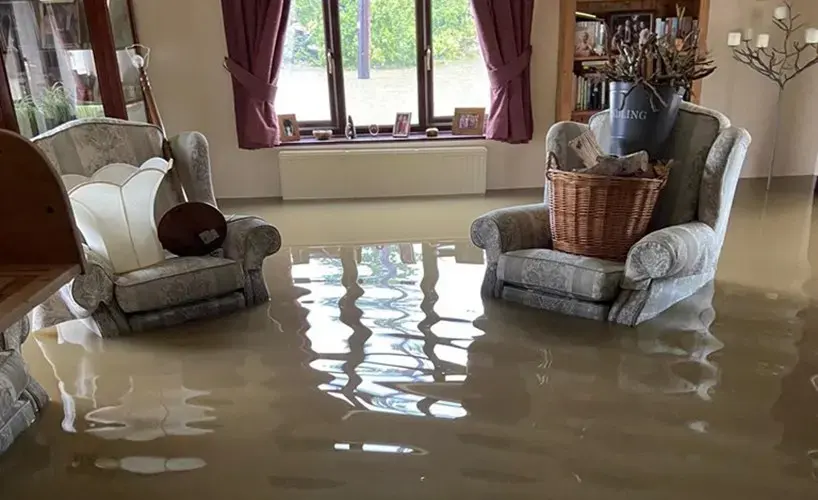
First steps for storm runoff and flood cleanup in Glendale
- Stay out of deep water.
Moving water and hidden electrical hazards are the real danger, so wait until the water recedes before going in.
- Block and divert.
Place sandbags or boards at entries only where it is safe, and move vehicles and belongings to higher ground.
- Photograph the water mark.
Take pictures of the high-water mark, the mud and the damaged contents before anything is moved.
- Call before shoveling.
Describe how far the mud and water reached, so the crew can bring extraction, protective gear and drying equipment.
How storm runoff and flood cleanup is handled in Glendale
Glendale's storm history runs through the Verdugo Wash, a stormwater channel that crosses several neighborhoods on its way to the Los Angeles River. The wash is typically low volume, yet the city's Safety Element warns that extreme rain may overwhelm stormwater drainage.
Rapid local response
The response team dispatches 24/7, and active water in Glendale is treated as urgent at any hour, weekends and holidays included.
IICRC S500 drying standard
The drying team maps moisture before equipment goes down and dries the structure, not just the surface, to the IICRC S500 goal.
Claim-ready documentation
The tech who does the walkthrough logs timestamped photos, a moisture map and daily psychrometric readings for the adjuster.
Local water know-how
Local restoration pros plan around hidden leaks under floors, root-blocked sewer laterals, attic AC drains and winter storm runoff.
What does storm runoff and flood cleanup cost in Glendale, CA?
Storm cleanup cost in Glendale depends on how much mud has to come out, how many rooms the water reached and whether drywall and flooring must be removed. A walkthrough turns the typical ranges into a firm figure.
Wet garage or entry
- Mud shoveled, water extracted
- Pad and baseboards removed
- Treatment, then drying
Several rooms with silt
- Drywall cut above the water
- Carpet and pad hauled out
- Structural drying
Whole floor flooded
- Cabinets and flooring removed
- Containment and air scrubbers
- Extended drying
These are typical Glendale ranges, not a quote. Water category, wet square footage, material class and the hours before drying began move the final number. The water damage cost calculator narrows it for your loss.
The storm runoff and flood cleanup process, step by step
- 1
Assess the hazard
The crew checks the water category, electrical risks and how far mud and runoff traveled before work begins.
- 2
Clear and extract
Mud and silt are removed first, then standing water is extracted from floors and low spots.
- 3
Remove and treat
Soaked pad, carpet and low drywall go out, and surfaces are cleaned and treated with antimicrobial products.
- 4
Dry and verify
Air movers and dehumidifiers dry the structure while daily readings show when it reaches its target.
What the 1934 flood changed
The Crescenta Valley Flood of New Year's Day 1934 followed a massive wildfire in the fall of 1933 and carried debris flows that swept away structures and cars. The losses led local and federal government to fund a permanent concrete-lined channel and debris basin in the wash.
The same link between fire and rain shows up in the city's planning: the Safety Element says heavy rain can cause slope failures, or landslides, especially after a wildfire.
How the water finds a way in
When extreme rain overwhelms stormwater drainage, as the Safety Element warns it may, water looks for the lowest door or threshold. Garages, entries and ground-floor rooms take the mud first, and water can wick up drywall and cabinet bases well above the visible mark.
A flooded garage is also where stored boxes, tools and household products sit, so the crew sorts what can be cleaned from what must be discarded and photographs both piles for the adjuster.
What the cleanup involves
- Mud and silt are shoveled and vacuumed out before water extraction begins.
- Carpet, pad and baseboards that soaked up runoff are removed and bagged.
- Drywall is cut above the wet mark, and wall cavities are opened so they can dry.
- Floors and framing are treated with antimicrobial products before drying equipment is set.
Runoff picks up dirt, oil and bacteria on its way in, so it is handled as contaminated until the area has been cleaned and treated, much like a sewage backup.
After a wildfire, watch the slope
Rain on burned ground can send debris downhill, and the city warns of landslides after a wildfire. Whatever reaches a building is a flood job that starts with the mud, then moves to water extraction and drying.
Storm Runoff and Flood Cleanup across Glendale and nearby communities
24/7 dispatch and rapid local response for Glendale, CA, day or night.
Storm runoff work covers Glendale properties near the Verdugo Wash and across the city, from Adams Hill and Rossmoyne to Verdugo Woodlands and the canyon streets of Chevy Chase Canyon, Glenoaks Canyon and Royal Canyon.
The same service nearby: storm runoff and flood cleanup in Granada Hills, Burbank, San Fernando. Every town covered is on the service area page.
Water damage restoration in GlendaleStorm Runoff and Flood Cleanup questions in Glendale, CA
Water still moving in Glendale?
Mud or runoff inside a Glendale property? Describe how far it reached, and the crew will plan extraction and treatment.
(888) 578-6508 Glendale storm cleanup helpIs storm runoff the same as clean water?
No. Runoff carries mud, debris and bacteria from outside, so it is handled as contaminated water and the cleanup includes treatment, not just drying. Porous materials that soaked it up usually come out.
Does the Verdugo Wash remove flood risk?
No. The wash is a stormwater channel that handles flash floods and debris flows, but the city's Safety Element still says extreme rain may overwhelm the stormwater drainage system.
Can wildfire change the flood risk?
The city's Safety Element says heavy rain can cause slope failures, or landslides, especially after a wildfire, so rain on burned ground adds debris to the water a building may see.
What did the late December 2025 storms damage?
Atmospheric rivers damaged Glendale facilities, sidewalks, roads and a debris basin, and water entered the first floor of the Police Department building. A main also broke on Maple Street east of Central Avenue.
How is mud removed before drying?
Mud and silt are shoveled and vacuumed out first, because drying equipment cannot work through a layer of it, and a clean floor also shows where the water really went. Water extraction and antimicrobial treatment follow.
When does cleanup become a drywall job?
When water wicks above the wet mark or sits behind baseboards, the crew cuts drywall above the water and opens the cavity so it can dry and be treated.
Storm water in Glendale needs a plan
The restoration team clears the mud, extracts the water, removes soaked materials and dries and treats the structure so damage stops spreading.
(888) 578-6508Call the Glendale storm cleanup crew