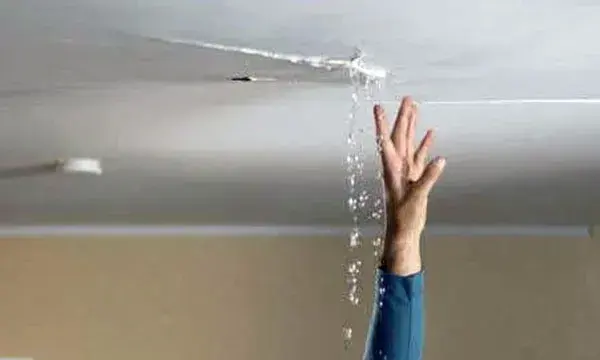
In Burbank, a lot of ceilings are also someone else's floor. When a supply hose, a toilet or a washer fails upstairs, the first sign downstairs is usually a brown stain, a bubble in the paint or a steady drip.
Key takeaways
- About 52 percent of Burbank's housing units (24,412) are in multi unit buildings and about 57 percent of occupied homes are rented, so water coming from the unit above is a common way for a leak to start.
- Tell the neighbor and the property manager right away, because the leak only stops when someone shuts off the source.
- Stay out from under a sagging ceiling, protect belongings and photograph the damage before anything is moved.
- Wet insulation and drywall are opened and dried, because a stain on the surface hides wet material above it.
- The city lists drywall replacement among its simple Tier 1 permits and says building permits cover plumbing repair work, so a repair after drying is worth confirming with the Building Division.
Why shared ceilings are common in Burbank
Burbank has about 46,928 housing units. Of those, 24,412 (about 52 percent) are in multi unit buildings, and 20,254 (about 43 percent) are in buildings of five or more units.
Renters occupy about 57 percent of occupied homes, 24,887 of 43,890, and the median home was built in 1961. Older buildings with many neighbors share pipes, walls and ceilings.
In many of them the plumbing of one unit sits directly above the bedroom or kitchen of another.
- A leak in one unit can reach the ceilings and walls of the units below and beside it.
- One failed hose, toilet or water heater can affect several households.
- The person who owns the source and the person who sees the damage are often different people.
Common sources upstairs
Most upstairs leaks come from a short list of sources, and knowing the list helps a tenant describe the problem to the neighbor and the manager.
Appliance leak water damage from a hose or a dishwasher is a typical example, and the damage below can be larger than the failed part suggests.
- A washing machine supply hose or drain that has split or slipped out of its connection.
- A dishwasher, ice maker or sink supply that weeps behind a cabinet.
- A toilet supply connection, a clogged toilet or a failed seal.
- A bathtub or shower that overflows or leaks through a cracked seal.
- A water heater tank that fails in a closet or utility room.
- A supply pipe that corrodes or fails inside a wall.
- An air conditioner condensate drain that clogs and overflows.
What a leak from above looks like below
Water travels along joists and pipe, so the stain is often not directly under the source. A small stain can sit under a much larger wet area.
- A brown or yellow stain that spreads over days.
- Paint that bubbles or drywall that feels soft.
- A ceiling that sags or has a bulge in it.
- Drips from a light fixture or a vent, which is also an electrical concern.
- Damp walls, a musty smell or warped baseboards in the room below.
First steps for the unit that is getting wet
The aim at the start is to stop new water, protect people and records, and keep the damage from spreading.
- Contact the neighbor above and the property manager or association at once, so the source is shut off.
- If a ceiling is sagging, stay out from under it, because trapped water can come down all at once.
- Turn off power to a room with dripping lights or outlets if the panel can be reached safely.
- Move furniture and belongings away from the wet area and catch drips with containers.
- Photograph and video the stains, the drips and every affected room before cleanup.
- Keep a household vacuum away from wet carpet and dripping fixtures.
- Write down who was contacted and when.
Renters and condo owners: who does what
The lease or the association rules decide who arranges repairs. The drying work and the records are the same either way, and these documents are worth gathering.
- The lease or the association rules.
- Written notice to the neighbor, the landlord or the manager, with dates.
- Photos and video of the damage.
- A list of damaged belongings.
- Moisture readings and the drying log from the restoration team.
For renters
A renter reports the leak in writing, keeps copies and photographs belongings. The lease and the landlord decide who arranges repairs to the unit.
For condo owners
A condo owner reports the leak to the association as well as the neighbor, since pipes and walls can be shared building elements. The association's rules decide who handles which part.
How the ceiling and walls are dried
Technicians trace the wet area with moisture readings and thermal imaging, which often reveals more damage than the stain suggests. Ceiling leak water damage work follows the water, not just the stain.
Opening and drying
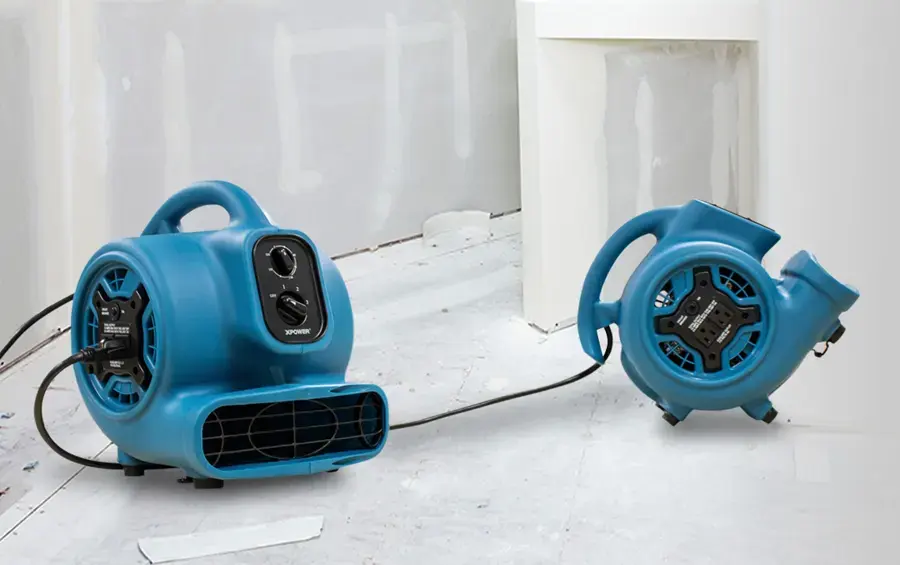
Sagging or soaked drywall is cut away and wet insulation is removed. Joist spaces, wall cavities and the flooring below are dried with air movers and dehumidifiers.
The unit above may need drying too if its own floor was soaked.
Clean water and contaminated water
Whether the water came from a clean supply pipe or from a toilet or drain changes the plan, because contaminated water means more material is removed. The work follows the IICRC S500 categories.
Repairs after drying
Burbank lists drywall replacement among its simple Tier 1 permits, which need no plan check and can generally be obtained over the counter. The city also says building permits cover repair and maintenance work on plumbing, electrical and mechanical systems.
A repair that goes beyond drying is worth confirming with the Building Division before work starts. Residents can start from water damage restoration in Burbank when water comes through a ceiling.
Questions
Can a ceiling be dried without tearing it out?
Sometimes. A ceiling that is only slightly damp and still firm can dry where it hangs, but soaked or sagging drywall and wet insulation above it are removed. Moisture readings decide.
What should a tenant photograph?
Every stain, drip and wet surface, the whole room for context and any damaged belongings. Photos taken before cleanup show the starting point.
Does a small stain mean a small leak?
Not necessarily. Water follows joists and pipe, so a small stain can sit under a larger wet area that only readings reveal.
Why does drying continue after the dripping stops?
Wet insulation, joist spaces and wall cavities hold water that is out of sight. Drying also has to start quickly because mold can begin to grow after 24 to 48 hours.
Is a leak from a toilet different from a leak from a supply hose?
Yes. A supply hose carries clean water, while a toilet or drain can carry contaminated water, and contaminated water means more materials are removed.
Who should be told first, the neighbor or the property manager?
Both, as soon as possible. The neighbor can shut off the source, and the manager can arrange access and building shutoffs. Writing down the time of each contact helps later.